PlantBased Nutrition Meal Plan: A Comprehensive Guide to Healthy Eating
Did you know that the number of people adopting plant-based diets has skyrocketed by over 300% in the last decade alone? Supermarkets are filling their shelves with meat alternatives, and restaurants are expanding their vegan menus to keep up with surging demand. What’s driving this shift? For many, it’s the promise of a healthier life. Consider the story of Maria, a lifelong meat lover who struggled with high cholesterol, fatigue, and stubborn weight gain. Frustrated by years of failed diets and medications, Maria decided to give plant-based eating a try. Within months, her energy levels soared, her cholesterol dropped to healthy levels, and she finally reached her weight loss goals—all without depriving herself of delicious food. Maria’s journey is just one example among millions, but it begs a powerful question: Can what you eat truly change your life?
The answer, increasingly supported by scientific research and real-life success stories, seems to be a resounding yes. The foods we choose every day have the potential to transform our bodies, boost our moods, and even reduce the risk of chronic diseases. Yet, for many, the idea of switching to a plant-based lifestyle feels overwhelming. Where do you start? What do you actually eat? Will you get enough protein, or find meals that satisfy your cravings?
That’s where this guide comes in. Whether you’re a curious beginner or looking to fine-tune your current habits, you’ll discover practical, easy-to-follow meal plans, straightforward nutrition tips, and science-backed strategies for lasting wellness. Get ready to explore how simple changes at your dinner table can lead to profound improvements in your health, energy, and overall happiness. By the end, you’ll have all the tools you need to make plant-based eating not just a temporary experiment, but a delicious and sustainable way of life.A plant-based diet centers around foods derived primarily from plants, including fruits, vegetables, whole grains, legumes, nuts, and seeds. Unlike strictly vegan or vegetarian diets, which entirely eliminate animal products or meat, a plant-based diet focuses on maximizing plant foods while allowing for occasional or minimal animal-derived ingredients if desired. This flexibility makes plant-based eating more accessible and sustainable for many people, as it encourages the consumption of nourishing, whole foods without necessarily imposing strict dietary restrictions.
Embracing a plant-based diet offers a wide range of health benefits supported by scientific research. Studies consistently show that individuals who prioritize plant foods enjoy better heart health, with lower blood pressure, cholesterol levels, and a reduced risk of heart disease. Additionally, plant-based diets are typically lower in calories and higher in fiber, which can promote healthy weight management and support digestive health. The abundance of vitamins, minerals, antioxidants, and phytonutrients found in plant foods also helps lower the risk of chronic diseases, including type 2 diabetes, certain cancers, and inflammatory conditions. By focusing on nutrient-rich, minimally processed foods, plant-based eating can help you feel energized and improve your overall well-being.
Despite these proven advantages, some misconceptions about plant-based nutrition persist. One common myth is that plant-based diets lack sufficient protein; however, a well-planned plant-based approach easily meets protein needs through foods like beans, lentils, tofu, quinoa, and nuts. Another misunderstanding is that plant-based meals are bland or unsatisfying, but with the variety of flavors, textures, and cuisines available, plant-based eating can be both delicious and deeply satisfying. Concerns about nutrient deficiencies can also be addressed through mindful meal planning, ensuring adequate intake of essentials like iron, calcium, and vitamin B12.
To help you get started, a typical plant-based meal plan emphasizes balanced meals built around whole grains, a generous variety of vegetables and fruits, ample legumes or plant proteins, and healthy fats from sources like avocados, seeds, and olive oil. This approach not only supports optimal nutrition but also encourages creativity and enjoyment in the kitchen, making plant-based eating an inviting and rewarding lifestyle choice.A well-structured plant-based meal plan is rooted in a clear understanding of key nutritional principles, starting with macronutrients—protein, carbohydrates, and healthy fats. Contrary to common misconceptions, meeting protein needs on a plant-based diet is entirely achievable by incorporating diverse sources such as legumes (beans, lentils, chickpeas), tofu, tempeh, quinoa, nuts, and seeds. Spreading these protein sources throughout the day ensures you obtain all essential amino acids. Carbohydrates, the primary fuel for your body and brain, are best sourced from whole grains like brown rice, oats, barley, and starchy vegetables such as sweet potatoes and squash. These foods not only provide sustained energy but also come packed with fiber, aiding digestion and promoting satiety.
Healthy fats remain a vital component of your diet, supporting hormone production, brain health, and the absorption of fat-soluble vitamins. While plant-based diets naturally avoid saturated fats common in animal products, it’s important to include sources of unsaturated fats. Avocados, nuts, seeds (chia, flax, hemp), and extra-virgin olive oil are excellent choices. In particular, ground flaxseeds and chia seeds are valuable for their omega-3 fatty acid content, which is crucial for heart and brain function.
Beyond macronutrients, certain micronutrients require extra attention when building a plant-based meal plan. Vitamin B12, essential for nerve function and the production of red blood cells, is not naturally present in plants, so look for fortified foods like plant milks, cereals, or consider a reliable supplement. Iron, while abundant in plant foods such as lentils, beans, spinach, and pumpkin seeds, is more bioavailable when paired with vitamin C-rich foods like citrus, bell peppers, and strawberries. Calcium, critical for bone health, can be sourced from fortified plant milks, tofu set with calcium, tahini, and dark leafy greens. Omega-3s, as noted, are best derived from flaxseeds, chia seeds, walnuts, and algae-based supplements.
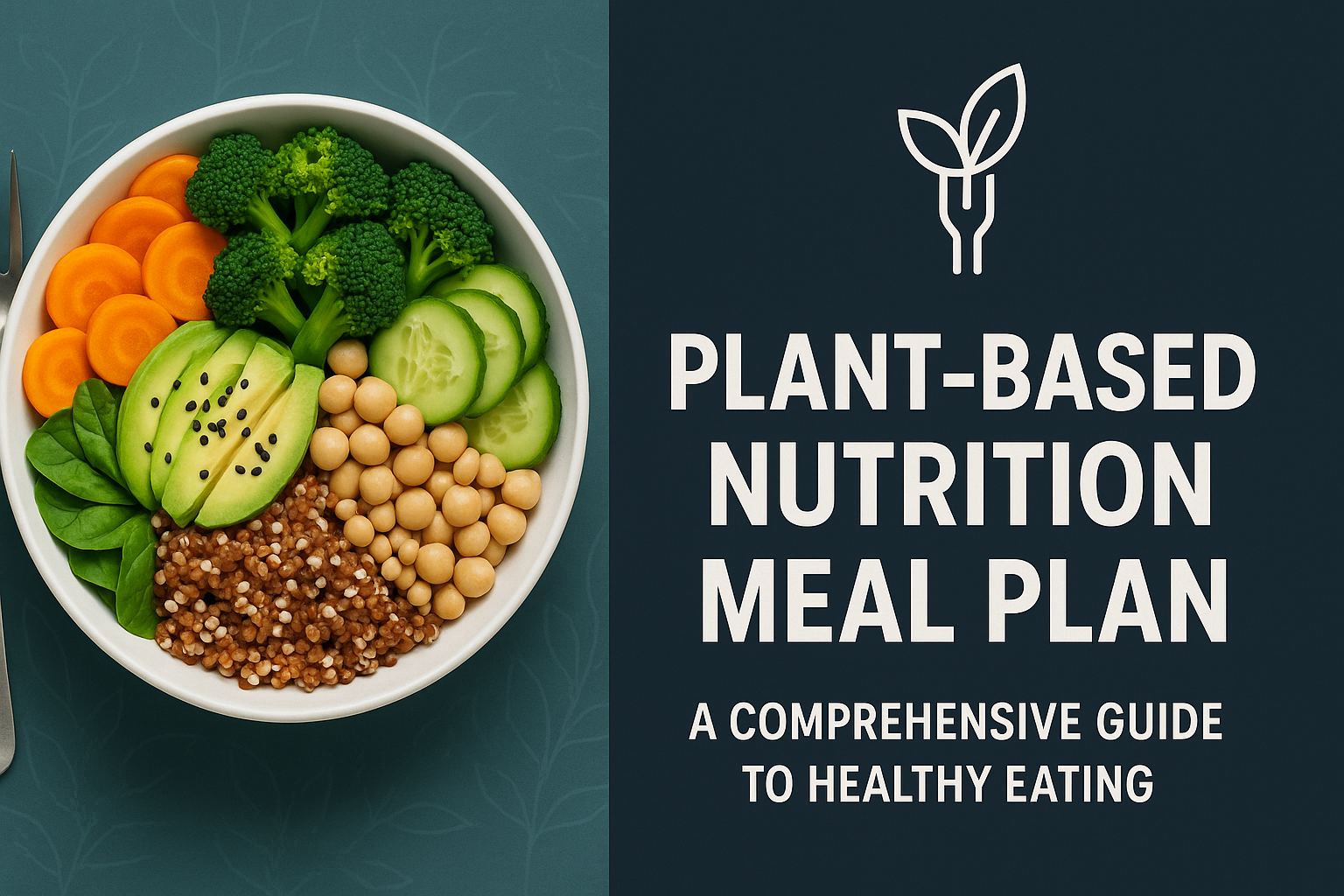
Perhaps most importantly, variety is the cornerstone of a balanced plant-based diet. Emphasizing whole foods—fruits, vegetables, whole grains, legumes, nuts, and seeds—ensures you receive a broad spectrum of vitamins, minerals, phytonutrients, and fiber. Rotating different foods and colors on your plate not only keeps meals interesting but also guarantees comprehensive nutrition, supporting overall well-being on your plant-based journey.Planning your meals is a foundational step in successfully transitioning to and thriving on a plant-based diet. One effective approach is to structure each meal using the plate method, which visually divides your plate to ensure a balance of nutrients. Aim to fill half your plate with a variety of colorful, non-starchy vegetables such as leafy greens, bell peppers, broccoli, or carrots. Reserve a quarter for whole grains like brown rice, quinoa, or whole wheat pasta, and the remaining quarter for plant-based proteins such as beans, lentils, tofu, or tempeh. Don’t forget to add small amounts of healthy fats, like avocado, nuts, or seeds, and include fruit as a side or dessert to round out your meals.
To make plant-based eating simple and enjoyable, start with a sample 7-day meal plan. For breakfast, rotate options like overnight oats with berries and nuts, whole grain toast with avocado and tomato, or a smoothie made from leafy greens, bananas, and plant-based milk. Lunchtime could feature hearty lentil soups, quinoa salads with chickpeas and roasted vegetables, or veggie wraps with hummus. Dinner ideas might include stir-fried tofu with broccoli and brown rice, black bean tacos with corn salsa, or a chickpea curry served over whole grain pilaf. Snacks can be as easy as apple slices with almond butter, roasted chickpeas, or veggie sticks with hummus.
Creating a shopping list ahead of time streamlines your week and reduces food waste. Essential staples include a variety of fresh and frozen vegetables, fruits, whole grains (like oats, brown rice, and quinoa), legumes (beans, lentils, peas), plant-based milk, tofu or tempeh, nuts, seeds, and healthy oils like olive or avocado. Add herbs, spices, and condiments to enhance flavor without relying on processed ingredients.
Meal prep can be a game-changer for those with busy schedules. Set aside a couple of hours one day each week to batch-cook grains, roast vegetables, and prepare protein sources. Pre-chop salad ingredients and store them in airtight containers, or portion out snacks for grab-and-go convenience. Consider doubling recipes so you always have leftovers for quick lunches or dinners. With thoughtful planning and a bit of preparation, nourishing plant-based meals can fit seamlessly into even the busiest lifestyle.Starting your day with a nourishing, plant-based breakfast can set the tone for healthy eating all day long. Quick breakfast options like overnight oats are not only easy to prepare ahead of time but also endlessly customizable with fruits, nuts, and seeds. Smoothies made with leafy greens, frozen berries, and plant-based protein powders offer a refreshing and nutrient-dense start to your morning. For those who prefer something savory, tofu scramble is a versatile and protein-rich alternative to scrambled eggs; simply sauté crumbled tofu with your favorite vegetables and spices for a satisfying meal.
When lunchtime rolls around, having a repertoire of satisfying recipes can make plant-based eating both enjoyable and filling. Grain bowls are a popular choice because they allow for variety and balance—combine cooked grains such as quinoa or brown rice with roasted or steamed vegetables, beans or lentils, and a flavorful dressing for a complete meal. Hearty salads, topped with chickpeas, tempeh, or seeds, go beyond simple greens to keep you full through the afternoon. Wraps filled with hummus, fresh veggies, and leafy greens are perfect for a quick, portable lunch.
Dinners can be just as comforting and substantial while remaining plant-based. Stir-fries loaded with colorful vegetables and tofu or tempeh come together quickly and can be served over rice or noodles. Curries made with coconut milk, legumes, and a blend of spices provide rich, warming flavors. For pasta lovers, try whole grain noodles tossed with tomato sauce, sautéed vegetables, and a sprinkle of nutritional yeast for a cheesy flavor. Soups, from lentil to minestrone, are excellent for batch cooking and can be easily reheated for busy evenings.
Snacking doesn’t have to be an afterthought. Prepare energy balls from oats, nut butter, and dried fruit for a grab-and-go treat. Veggie sticks paired with hummus offer a crunchy, satisfying snack packed with fiber and protein, while roasted chickpeas deliver a savory, protein-rich alternative to chips.
Transitioning to plant-based eating can be made easier with a few simple swaps. Replace dairy milk with almond, soy, or oat milk in your cereal or coffee. Use mashed avocado or hummus instead of mayonnaise on sandwiches. Swap ground beef for lentils or crumbled tofu in tacos and pasta sauces. With these recipes and swaps, enjoying a plant-based lifestyle becomes both accessible and delicious.Adopting a plant-based lifestyle can come with its own set of challenges, especially when navigating eating out or participating in social events. Restaurant menus may seem limited at first, but many establishments now offer plant-based options or are willing to accommodate special requests. Don’t hesitate to ask servers about modifying dishes or substituting animal products with plant-based alternatives. When attending gatherings, consider bringing a flavorful vegan dish to share, ensuring you have something satisfying while also introducing others to delicious plant-based fare. Dealing with cravings is another common hurdle. The key is to embrace variety—experiment with new recipes, global cuisines, and a range of fruits, vegetables, grains, and legumes to keep meals exciting and your palate satisfied. If you crave familiar flavors, many plant-based products now mimic the taste and texture of traditional favorites, making the transition easier.
Concerns about getting enough protein, feeling full, or managing the cost are frequent among those new to plant-based eating. Rest assured, a well-planned plant-based diet can provide all the protein your body needs through foods like lentils, beans, tofu, tempeh, quinoa, and nuts. To promote satiety, focus on fiber-rich whole foods and healthy fats, which help you feel fuller for longer. While some specialty vegan products can be expensive, staples such as grains, beans, and seasonal produce are often quite affordable, allowing you to eat well on a budget. Family acceptance can also be a challenge, particularly if others are skeptical or resistant to dietary changes. Open communication, involving loved ones in meal planning, and sharing tasty, satisfying meals can help foster support and acceptance over time.
For ongoing guidance and inspiration, turn to trusted resources. Websites like Forks Over Knives and Minimalist Baker offer an abundance of easy, crowd-pleasing recipes. Online communities and social media groups dedicated to plant-based living provide support, tips, and encouragement from others on similar journeys. By utilizing these resources and remaining flexible, you can overcome obstacles and enjoy a varied, nourishing plant-based lifestyle—both at home and in any situation life brings.Embracing a plant-based meal plan offers a wide range of benefits, from improved heart health and better digestion to sustainable weight management and a smaller environmental footprint. As you’ve seen, transitioning to plant-powered eating is not only nutritionally sound but also highly feasible, thanks to the growing availability of delicious, satisfying plant-based ingredients and recipes. Whether your goal is to boost your energy, support your long-term wellness, or simply introduce more variety into your daily diet, a plant-based meal plan provides a flexible and enjoyable way to do so.
It’s important to remember that significant lifestyle changes don’t have to happen overnight. Starting small—such as incorporating one plant-based meal a day, swapping animal products for plant-based alternatives, or experimenting with new fruits, vegetables, and grains—can make the shift more approachable and less overwhelming. These manageable changes, when practiced consistently, add up over time and can lead to noticeable improvements in your overall well-being.
If you’re curious about the impact a plant-based diet might have on your body and mind, challenge yourself to try the sample meal plan for just one week. During this time, pay attention to how you feel—your energy levels, digestion, mood, and even your sleep. Many people find that even short-term changes can bring about positive results, motivating them to continue exploring plant-based options long after the initial trial.
Ultimately, the food choices we make each day serve as the foundation for our health, vitality, and longevity. By choosing to prioritize plant-based meals, you’re not just nourishing your body; you’re also making a conscious decision to support the environment and promote a more sustainable future. Remember, every meal is an opportunity to invest in yourself and your well-being. Take the first step, embrace the journey, and discover how delicious and rewarding a plant-based lifestyle can be.