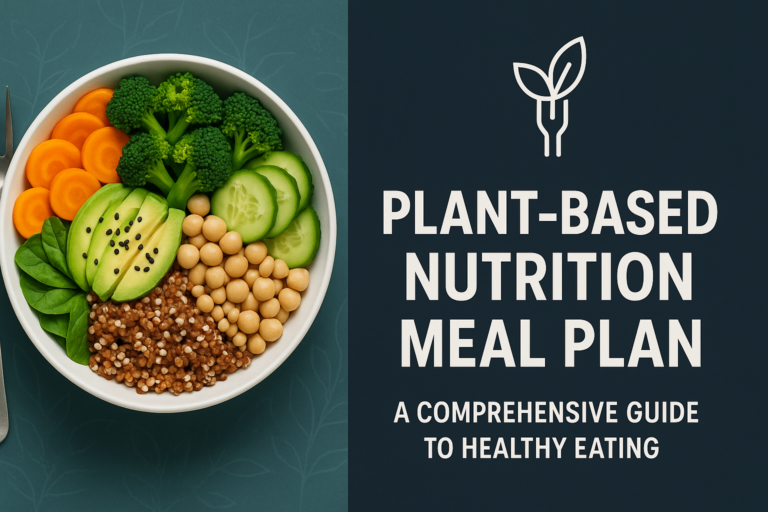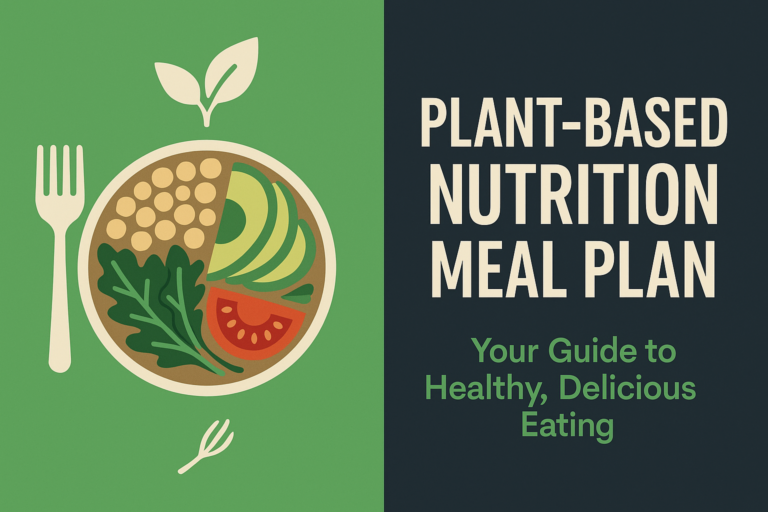
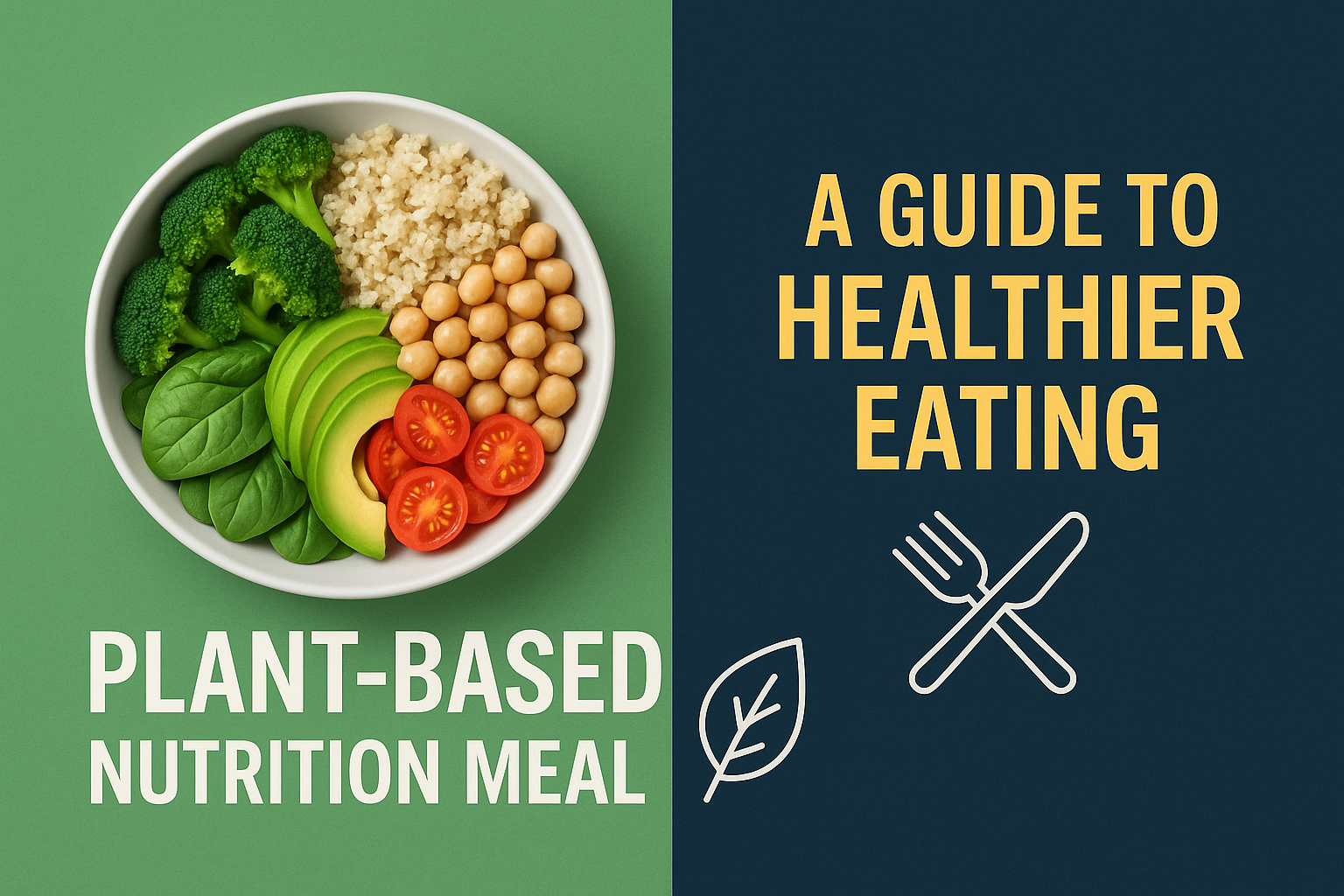
PlantBased Nutrition Meal Plan: A Guide to Healthier Eating
Did you know that the number of people identifying as plant-based eaters has skyrocketed by over 300% in the last fifteen years? Supermarkets are devoting entire aisles to meat alternatives, and restaurants—once hesitant—now proudly showcase vegan and vegetarian options on their menus. It seems like everywhere you turn, someone is raving about the latest oat milk latte or sharing a recipe for the perfect lentil burger. But what’s really driving this dramatic shift in how we eat? Is it just a passing fad, or is there something more to the plant-based movement?
Imagine walking into a bustling café and realizing that half the menu is now plant-powered. Or maybe you’ve noticed friends and colleagues swapping stories about how much better they feel after cutting back on animal products. You might be wondering, “Why are people making this change? What’s in it for them—and could it work for me too?” The truth is, the reasons for embracing a plant-based diet are as varied as the people adopting it. For some, it’s about improving personal health—lower cholesterol, increased energy, and even weight loss are frequently reported benefits. For others, environmental concerns play a big role: reducing your intake of animal products can significantly shrink your carbon footprint and help conserve precious water and land resources. And let’s not forget about compassion—many people are motivated by a desire to reduce animal suffering.
But while the buzz is undeniable, making the switch to plant-based eating can feel overwhelming. What do you actually eat? Is it expensive? Will you get enough protein, iron, or other important nutrients? The good news is that transitioning to a plant-based lifestyle doesn’t have to be all or nothing, and it can fit a variety of tastes and budgets. Over the next few minutes, we’ll break down the real benefits of plant-based diets, debunk common myths, and offer practical tips to help you get started—whether you’re curious about going fully vegan or just want to add a few more veggies to your plate. So if you’ve ever wondered what all the hype is about, stay tuned—you might just find the inspiration you need to try something new.A plant-based meal plan centers around foods derived primarily from plants—such as vegetables, fruits, whole grains, legumes, nuts, and seeds—while minimizing or, in some cases, eliminating animal products. Importantly, adopting a plant-based approach doesn’t automatically mean following a strict vegan or vegetarian diet. Instead, it exists on a spectrum; some people may choose to eat mostly plants while occasionally incorporating dairy, eggs, or even small amounts of meat or fish. The focus is on making plant foods the foundation of meals, rather than adhering to rigid rules.
People are drawn to plant-based nutrition for a variety of reasons. For many, health is a major motivator. Research continues to show that diets rich in plant foods are associated with lower risks of chronic illnesses such as heart disease, diabetes, and certain cancers. The abundance of fiber, vitamins, minerals, and antioxidants found in plants supports overall well-being, promotes healthy digestion, and can help with weight management. Others are motivated by environmental concerns, as plant-based diets generally require fewer natural resources and generate less greenhouse gas emissions compared to diets heavy in animal products. Ethical considerations also play a significant role; some individuals choose plant-based eating to reduce harm to animals and support more sustainable food systems.
Despite its growing popularity, plant-based nutrition is often misunderstood. One common misconception is that plant-based diets are automatically healthier or guarantee weight loss, when in reality, balance and variety are key, and highly processed plant foods can be just as unhealthy as their animal-based counterparts. Another myth is that it is difficult or even impossible to get enough protein or essential nutrients, such as iron or vitamin B12, from plants alone. With thoughtful planning, however, plant-based meal plans can be nutritionally complete and satisfying. Throughout this article, we’ll explore what a plant-based meal plan truly looks like, address common challenges, and provide practical tips for making the transition enjoyable and sustainable. By the end, you’ll have a clearer understanding of plant-based nutrition and how it might fit into your own lifestyle, regardless of where you are on the dietary spectrum.When it comes to building a healthy and satisfying plant-based meal plan, understanding the nutritional foundation is essential. Many people worry about getting enough protein, iron, vitamin B12, calcium, and omega-3 fatty acids when they remove or reduce animal products from their diets. However, with thoughtful planning, it is entirely possible to meet all your nutritional needs using plant-based sources.
Protein, for example, is abundant in foods such as beans, lentils, tofu, tempeh, quinoa, nuts, and seeds. By varying your protein sources throughout the day, you can easily achieve your required intake without relying on animal products. Iron, another important nutrient, is found in lentils, chickpeas, spinach, pumpkin seeds, and fortified cereals. While plant-based iron (non-heme iron) isn’t absorbed as efficiently as the iron found in meat, you can enhance absorption by pairing these foods with vitamin C-rich options like bell peppers, oranges, or strawberries.
Vitamin B12 is an essential nutrient that is not naturally present in most plant foods, making it one of the few nutrients that require special attention on a plant-based diet. Fortified foods—such as plant-based milks, breakfast cereals, and nutritional yeast—are practical sources, but many people choose to take a B12 supplement for peace of mind. Calcium, vital for bone health, can be found in fortified plant milks, tofu made with calcium sulfate, almonds, tahini, and leafy greens like bok choy and kale. Omega-3 fatty acids, typically associated with fish, are also available from plant sources like flaxseeds, chia seeds, walnuts, and hemp seeds. Including these foods regularly ensures you receive the essential alpha-linolenic acid (ALA) that your body needs.
There are a number of persistent myths about plant-based diets, particularly concerning nutrient deficiencies. While it’s true that some nutrients require a bit more attention, the risk of deficiency is low if you plan well and include a variety of whole foods. Supplementation is not a sign of failure, but a smart strategy for nutrients like B12. In reality, plant-based diets can be nutritionally adequate and even offer health benefits such as lower cholesterol, improved heart health, and better weight management. By focusing on diverse, nutrient-rich foods and making informed choices, you can thrive on a plant-based diet without missing out on essential nutrients.Creating balanced plant-based meals is about combining a variety of food groups to ensure you’re getting all the nutrients your body needs for optimal health and sustained energy. A well-structured plant-based plate typically includes a hearty serving of whole grains, such as brown rice, quinoa, or whole-wheat pasta, which serve as the foundation and provide complex carbohydrates and fiber. Legumes, including lentils, chickpeas, black beans, or tofu, are essential for protein, iron, and additional fiber. Vibrant vegetables—both cooked and raw—are added for vitamins, minerals, and antioxidants, while a portion of fruit on the side boosts flavor and offers its own array of nutrients. Healthy fats, like avocado, nuts, seeds, or a drizzle of olive oil, round out the meal, supporting brain health and aiding in the absorption of fat-soluble vitamins.
To visualize how this looks in practice, consider a sample day of meals. For breakfast, you might enjoy a bowl of oatmeal topped with sliced bananas, blueberries, chia seeds, and a dollop of almond butter. Lunch could be a hearty quinoa salad with black beans, cherry tomatoes, cucumber, red onion, fresh herbs, and a lemon-tahini dressing. For dinner, a comforting lentil and vegetable curry served over brown rice, accompanied by a side of sautéed greens, provides a satisfying end to the day. Snacks can be as simple as apple slices with peanut butter, roasted chickpeas, or a small serving of trail mix.
Embracing variety and cultural diversity in your weekly meal planning not only makes eating more enjoyable but also ensures you receive a wider range of nutrients. A weekly plan might feature Mediterranean-inspired falafel wraps with tabbouleh and hummus, Mexican black bean and corn tacos with avocado salsa, Indian chana masala with basmati rice, Japanese tofu stir-fry with soba noodles and edamame, and Middle Eastern lentil soup with whole-grain pita. Including different cuisines and ingredients helps prevent monotony and introduces new flavors and textures, making a plant-based diet both nourishing and exciting. By thoughtfully building each plate and seeking inspiration from global traditions, you can create meals that satisfy your palate while supporting your health and well-being.Transitioning to a plant-based lifestyle starts with smart grocery shopping and efficient meal preparation, both of which are key to maintaining a healthy and satisfying diet. Building a well-stocked pantry is the foundation of plant-based eating. Begin by filling your shelves with staples such as whole grains (brown rice, quinoa, oats, and whole-wheat pasta), a variety of canned or dried beans and lentils, nuts and seeds, and a selection of spices and dried herbs. Stock up on canned tomatoes, vegetable broth, and plant-based milks to provide the basis for countless recipes. Fresh fruits and vegetables are essential, but frozen options are also excellent for convenience and to reduce waste, ensuring you always have ingredients on hand for quick meals.
Shopping on a budget is entirely possible with a plant-based diet. Buy in bulk whenever possible, especially for grains, legumes, and nuts, as this often lowers the cost per serving. Choose seasonal produce, which tends to be more affordable and fresher, and don’t overlook frozen or canned options, which can be both nutritious and budget-friendly. Plan your meals ahead of time and create a detailed shopping list to avoid impulse buys and unnecessary expenses. Local farmers’ markets can offer fresh produce at lower prices, and store brands or generic labels often provide similar quality at a reduced cost.
Meal prepping is a game-changer for those with busy lifestyles. Set aside a few hours each week to wash, chop, and store vegetables, cook large batches of grains or beans, and portion out snacks like homemade trail mix or cut fruit. Consider preparing versatile base recipes—such as soups, stews, or grain bowls—that can be enjoyed throughout the week with different toppings or sides. Investing in quality storage containers helps keep meals fresh and makes grab-and-go lunches a breeze. By organizing your pantry, shopping thoughtfully, and dedicating a small amount of time to prep, plant-based eating becomes more accessible, affordable, and convenient, supporting your health goals no matter how packed your schedule may be.Transitioning to a plant-based meal plan can be incredibly rewarding, but it often comes with a unique set of challenges. One of the most common hurdles is dealing with cravings, especially if you previously enjoyed animal-based comfort foods. Cravings are often strongest in the early stages as your palate and habits adjust. To overcome them, try finding plant-based alternatives that mimic your favorite flavors and textures, such as lentil-based “meatballs,” chickpea “tuna” salad, or dairy-free cheese made from cashews. Keeping healthy snacks like roasted chickpeas, fruit, or nut butter handy can also help you avoid the temptation of less wholesome options.
Navigating social situations, eating out, or traveling can also feel daunting when following a plant-based diet. Advance planning is key; research menus ahead of time, call restaurants to inquire about vegan options, or suggest eateries known for their plant-based selections. Many cuisines, such as Thai, Indian, Middle Eastern, and Mediterranean, naturally offer a variety of plant-based dishes. When traveling, packing snacks like trail mix, energy bars, or dried fruit can keep you fueled and prevent you from settling for less optimal choices. Don’t be afraid to ask for modifications or share your dietary needs with servers—most are happy to accommodate.
Addressing family or household concerns is another important aspect of overcoming challenges. Family members may worry about nutrition, taste, or the inconvenience of preparing multiple meals. Open communication is vital; share the reasons behind your decision and offer to cook for the household to showcase how delicious and satisfying plant-based meals can be. Involving your family in meal planning and preparation can help ease resistance and introduce them to new flavors. If necessary, compromise by preparing flexible meals where everyone can customize their own plate, such as taco bars, grain bowls, or build-your-own pizzas. Over time, many families find that plant-based eating brings more variety and creativity to the table, fostering healthier habits for everyone. Remember, patience and persistence are key as you and those around you adapt to these positive changes.Switching to a plant-based meal plan has been a transformative journey for countless individuals, many of whom have experienced profound improvements in their health and well-being. Take the story of Maria, a 45-year-old teacher who struggled for years with high cholesterol and persistent fatigue. After consulting her doctor, Maria decided to adopt a plant-based diet rich in whole grains, legumes, fruits, and vegetables. Within just three months, her cholesterol levels dropped significantly, her energy soared, and she even lost 15 pounds without feeling deprived. Maria credits her plant-based lifestyle for giving her “a renewed sense of vitality and confidence” that she hadn’t felt in years.
Similarly, David, a 32-year-old software engineer, faced chronic digestive issues and frequent bouts of sluggishness despite maintaining an active lifestyle. On the recommendation of a nutritionist, he shifted to a plant-based meal plan, focusing on fiber-rich foods and minimizing processed ingredients. David soon noticed a remarkable improvement in his digestion and overall mood. He shares, “I no longer wake up feeling bloated or tired, and I’ve discovered so many delicious plant-based recipes that I actually look forward to meal times.”
For some, the benefits extend beyond physical health. Priya, a young mother of two, was motivated to switch to plant-based eating not just for her own health, but to set a positive example for her children. She found that her family’s new habits led to more shared time in the kitchen and a greater appreciation for fresh, seasonal produce. “Our meals are more colorful and exciting, and my kids are curious about the foods they eat. We’re all more mindful about our choices, and it’s brought us closer together as a family,” she says.
These real-life success stories highlight the diverse and meaningful ways a plant-based meal plan can enrich lives. Whether the motivation is health, energy, or family, individuals consistently report feeling more empowered and satisfied with their food choices. The journey may begin with a single meal, but for many, it leads to lasting changes that enhance every aspect of daily living.As we wrap up, let’s revisit the key takeaways from our discussion on embracing a plant-based lifestyle. Adopting a plant-based diet offers a range of benefits, from supporting heart health and reducing the risk of chronic diseases, to promoting environmental sustainability and improving overall well-being. We’ve explored practical steps to get you started, such as gradually increasing your intake of fruits, vegetables, whole grains, legumes, nuts, and seeds, and experimenting with simple swaps like choosing plant-based milks or incorporating meatless meals into your weekly routine. Remember, making the switch doesn’t have to be overwhelming—small, consistent changes can make a substantial difference over time.
If you’re feeling inspired but unsure where to begin, consider trying a straightforward plant-based recipe, like a hearty vegetable stir-fry, a lentil soup, or a colorful salad with beans and grains. Even replacing just one meal a day with a plant-based option can help you ease into this new way of eating and discover flavors and dishes you might love. For those looking to learn more, there are plenty of resources to support your journey. Websites like Forks Over Knives, NutritionFacts.org, and the Physicians Committee for Responsible Medicine offer recipes, nutrition tips, and scientific insights. Mobile apps such as HappyCow can help you find plant-based restaurants nearby, while social media groups and local meetups provide community and motivation as you explore new foods together.
Taking your first steps toward plant-based living is an empowering decision that can benefit both your health and the planet. Remember, there’s no one “right” way to start—what matters most is finding what works for you and allowing yourself the space to learn and grow. So why not give it a try? Challenge yourself to prepare a plant-based meal this week or swap out one animal product for a plant-based alternative. The path to better health and a more sustainable lifestyle begins with a single choice. Ready to give plant-based nutrition a try? Your journey starts now!