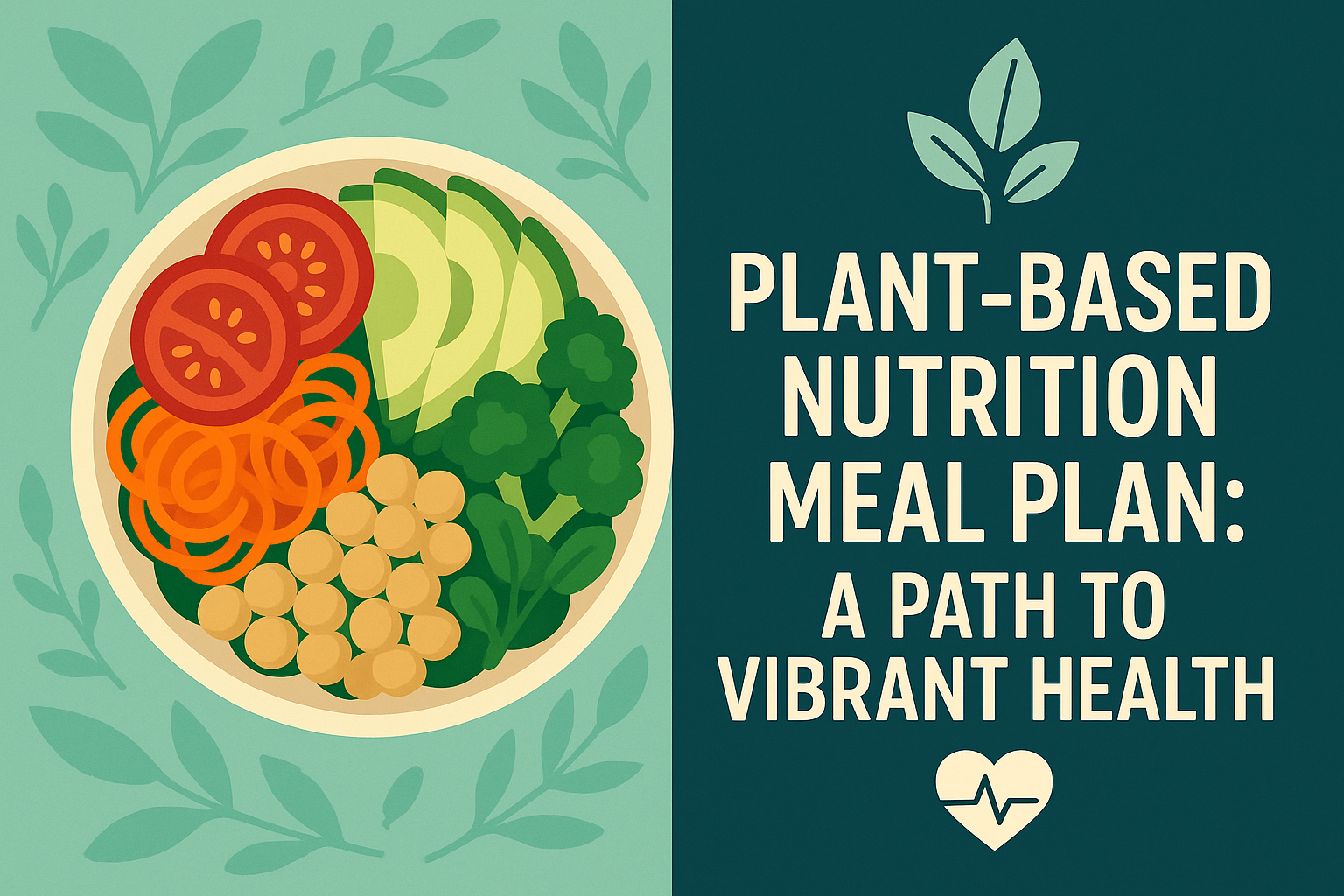
PlantBased Nutrition Meal Plan: A Path to Vibrant Health
Did you know that adopting a plant-based diet can lower your risk of chronic diseases by up to 50%? It’s true—according to numerous studies, people who fill their plates with fruits, vegetables, whole grains, legumes, and nuts experience significantly improved heart health, lower blood pressure, and reduced rates of diabetes and certain cancers. The evidence in favor of plant-based eating isn’t just academic—it’s personal and transformative. I remember meeting Lisa, a mother of two who struggled for years with fatigue and high cholesterol. Frustrated by the cycle of medications and fleeting fad diets, she decided to try a simple but radical shift: she started building her meals around plants. Within six months, Lisa’s energy levels soared, her cholesterol dropped to a healthy range, and she discovered a renewed enthusiasm for cooking and sharing food with her family. What’s more, she found that her kids were more willing to try new foods and even asked for seconds on broccoli and lentil stew.
Stories like Lisa’s are becoming more common as people realize the power of their food choices. A plant-based diet isn’t just about restriction or giving up your favorite dishes; instead, it’s about abundance—exploring new flavors, textures, and cuisines that nourish both body and mind. Imagine waking up feeling lighter, energized, and confident that you’re making choices that support your long-term health and the wellbeing of the planet. Have you ever wondered how a plant-based meal plan could change your life? What might happen if you approached your next meal with curiosity, focusing on what you can add rather than what you have to take away? Whether your goal is to boost your energy, manage your weight, or simply feel better every day, the journey begins with one choice at a time. The possibilities are as vibrant and varied as the produce aisle itself. So as you consider your next meal, ask yourself: could this simple shift be the key to unlocking a healthier, happier you?Plant-based nutrition has gained remarkable momentum in recent years, evolving from a niche dietary preference to a mainstream movement embraced by people of all ages and backgrounds. At its core, plant-based eating emphasizes whole, minimally processed foods derived from plants, including vegetables, fruits, legumes, whole grains, nuts, and seeds. This approach can be tailored to suit individual needs, whether one adopts a fully vegan lifestyle or simply chooses to integrate more plant-centered meals into their routine. Despite its growing popularity, plant-based nutrition is sometimes misunderstood. One of the most common misconceptions is that it’s difficult to get enough protein without consuming animal products. In reality, a wide range of plant-based foods—such as lentils, beans, quinoa, tofu, tempeh, and seeds—offer ample protein to meet daily requirements. Another myth is that plant-based diets lack variety or flavor, yet the diverse flavors, colors, and textures available from the plant kingdom can inspire delicious and creative meals that are both satisfying and nourishing.
The benefits of a plant-based diet are well-supported by scientific research. Studies consistently link plant-based eating patterns with improved heart health, thanks in part to the lower intake of saturated fats and cholesterol, as well as the higher consumption of fiber, antioxidants, and phytonutrients. These dietary qualities also support healthy weight management and are associated with a reduced risk of chronic conditions such as type 2 diabetes, certain cancers, and hypertension. Additionally, choosing plant-based foods is often more environmentally sustainable, helping to reduce one’s carbon footprint and conserve natural resources.
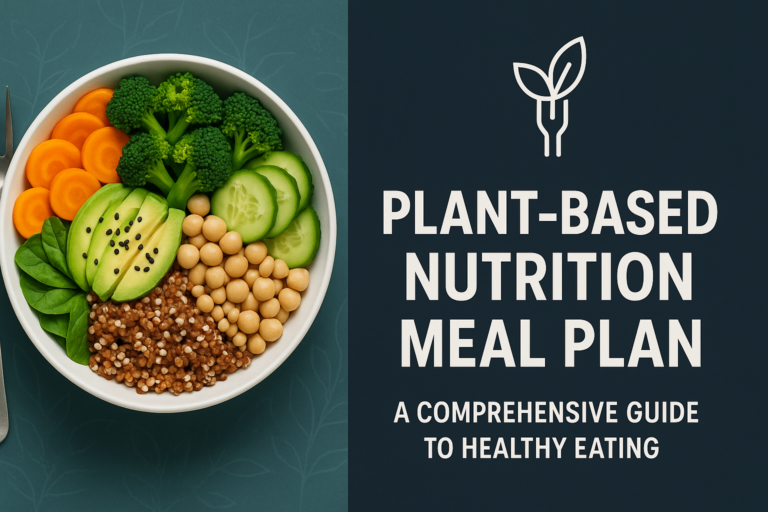
The goal today is to provide you with the knowledge and practical strategies needed to create a balanced, sustainable plant-based meal plan that fits your lifestyle. By understanding the fundamentals of plant-based nutrition and dispelling common myths, you’ll be empowered to make dietary choices that support both your personal health and the well-being of our planet. Whether you’re looking to make a complete transition or simply incorporate more plant-powered meals into your week, this session will equip you with the tools to do so confidently and enjoyably.A plant-based diet centers around whole, minimally processed foods derived from plants, making it rich in vitamins, minerals, fiber, and beneficial phytochemicals. When building your plant-based nutrition meal plan, it’s important to understand the main food groups that form the foundation of a balanced diet. Fruits and vegetables should take center stage, providing a wide array of flavors, textures, and essential nutrients. Aim to “eat the rainbow” by incorporating a variety of colorful produce, as each color typically represents different phytonutrients and antioxidants that support overall health. Whole grains, such as brown rice, quinoa, oats, and whole wheat, offer sustained energy through complex carbohydrates, as well as fiber to support digestive health. Legumes—including beans, lentils, chickpeas, and peas—are not only versatile and filling but also serve as key sources of plant-based protein, iron, and fiber.
Nuts and seeds, like almonds, walnuts, chia seeds, flaxseeds, and hemp seeds, contribute healthy fats, protein, and important micronutrients. Incorporating a range of these foods ensures you receive a spectrum of nutrients essential for well-being. However, there are certain nutrients that require special attention when following a plant-based approach. Protein can easily be met by eating a variety of legumes, whole grains, nuts, and seeds throughout the day. Iron, which is abundant in lentils, beans, spinach, and fortified cereals, is absorbed more efficiently when paired with vitamin C-rich foods like citrus fruits and bell peppers. Calcium is found in leafy greens, tofu, fortified plant milks, and almonds, while vitamin B12—crucial for nerve health and red blood cell formation—is best obtained through fortified foods or a supplement, since it is not naturally present in plant foods. Omega-3 fatty acids, which support heart and brain health, can be sourced from flaxseeds, chia seeds, walnuts, and algae-based supplements.
To maximize the benefits of a plant-based diet, focus on meal balance and variety. Strive to include a mix of fruits, vegetables, whole grains, legumes, and healthy fats at each meal. Experiment with different cooking methods, cuisines, and flavor profiles to keep meals interesting and satisfying. Planning ahead—such as batch-cooking grains or prepping vegetables—can make it easier to maintain nutritional variety and ensure you’re consistently meeting your body’s needs. By being mindful of both nutrient intake and meal diversity, you can create a plant-based meal plan that is both nourishing and enjoyable.Creating a successful plant-based meal plan starts with a thoughtful assessment of your unique needs and preferences. Begin by considering your lifestyle, activity level, and any specific dietary requirements. For example, athletes or those with physically demanding jobs may require higher protein intake, while individuals aiming for weight loss might focus on calorie control and nutrient density. Clarify your primary goals—whether it’s losing weight, boosting energy, or building muscle—and set realistic, achievable targets that suit your daily routine.
Next, stock your kitchen with essential pantry staples to ensure you’re always prepared to whip up nourishing meals. Key ingredients include whole grains (like brown rice, quinoa, and oats), legumes (beans, lentils, and chickpeas), nuts and seeds, plant-based milks, and a variety of fresh or frozen fruits and vegetables. When shopping, look for sales and consider buying in bulk to save money. Planning your meals in advance and prepping ingredients—such as chopping veggies or cooking grains in batches—can also help you stick to your budget and reduce food waste.
To kickstart your journey, use a sample 7-day meal plan that offers a diverse range of breakfasts, lunches, dinners, and snacks. For instance, you might start your day with overnight oats, enjoy a hearty lentil soup for lunch, and savor a vegetable stir-fry for dinner. Snacks can include hummus with veggie sticks or a handful of trail mix. Each meal should balance macronutrients and provide ample fiber and protein. Adjust portion sizes or ingredients to align with your personal needs, and don’t hesitate to swap out recipes to suit your tastes.
Anticipate and address common challenges, such as eating out or navigating social events, by researching menu options in advance or suggesting plant-friendly venues. Manage cravings and maintain satiety by including healthy fats, protein-rich foods, and fiber in your meals. Consider supplementation—such as vitamin B12, vitamin D, or omega-3s—based on your individual requirements and in consultation with a healthcare professional.
Finally, leverage helpful tools and resources to stay motivated and inspired. Meal planning apps, plant-based cookbooks, and reputable websites can offer new recipes and nutrition advice. Engaging with online communities or seeking guidance from dietitians can provide ongoing support and help you troubleshoot any challenges along the way.As we come to the end of this exploration into plant-based living, it’s clear that adopting a plant-based meal plan offers far more than just a new way of eating—it opens the door to a healthier, more vibrant lifestyle. We’ve discussed how embracing plant-based meals can provide essential nutrients, reduce the risk of chronic diseases, and contribute positively to our environment. Whether it’s the rich variety of fruits, vegetables, whole grains, legumes, or the wealth of delicious recipes available, the plant-based approach is as enjoyable as it is beneficial.
Making the switch doesn’t have to feel overwhelming. In fact, one of the most powerful steps you can take is simply to start small—perhaps by introducing one plant-based meal a day, or committing to a “Meatless Monday.” Every meal is an opportunity to experiment, discover new flavors, and take pride in the progress you’re making. Remember, this journey is uniquely yours; celebrate every step forward, no matter how modest it may seem. Each choice brings you closer to improved health, greater energy, and a sense of accomplishment.
If you’re ready to begin, consider trying the sample meal plan provided, or use it as inspiration to craft your own meals. Don’t hesitate to share your experiences with friends, family, or online communities—support and encouragement can make the process even more enjoyable. By engaging others, you may find motivation, helpful tips, and new recipe ideas that make the transition smoother.
Ultimately, embracing a plant-based lifestyle is not about perfection, but about progress and enjoyment. Over time, you’ll likely notice positive changes—not just in your physical well-being, but also in your relationship with food and the world around you. The long-term benefits extend far beyond personal health, touching on sustainability and compassion as well. So, take that first step with confidence, savor the journey, and remember that every small change brings you closer to a healthier, more fulfilling life.