PlantBased Nutrition Meal Plan: A Guide to Vibrant Health
Over the past decade, plant-based diets have surged in popularity, transforming from a niche lifestyle choice into a global movement. Recent data reveals that nearly one in ten Americans now identifies as plant-based or vegetarian, and the number continues to grow each year. This shift is not just a fleeting trend—it’s a reflection of changing values around health, sustainability, and animal welfare. Consider the story of Sara, a busy professional who struggled with low energy and digestive issues. After switching to a plant-based diet, she noticed a remarkable boost in her energy levels, clearer skin, and improved mood. Sara’s experience is echoed by countless others who have embraced plant-centered eating and discovered unexpected health benefits.
But what if you could enhance your own energy and well-being with just a few simple changes to your plate? Imagine waking up feeling refreshed, staying focused throughout the day, and supporting your long-term health—all by making mindful food choices. The idea may sound too good to be true, especially with so many conflicting messages about nutrition circulating online and in the media. You might wonder: Is plant-based eating restrictive, expensive, or lacking in protein? Can it really provide all the nutrients my body needs?
These misconceptions are surprisingly common. Many people believe that plant-based diets are boring, bland, or difficult to maintain. Others worry that they won’t get enough protein, iron, or calcium without animal products. The truth is, with a bit of guidance and creativity, plant-based eating can be diverse, satisfying, and nutritionally complete. It’s not about giving up your favorite foods or adhering to strict rules; it’s about exploring new flavors, nourishing your body, and making choices that align with your personal values. Whether you’re curious about trying Meatless Mondays, looking to add more vegetables to your meals, or considering a full transition, the path to better health and vitality might be simpler—and more delicious—than you think.Plant-based nutrition centers on consuming foods that come primarily from plants—fruits, vegetables, legumes, whole grains, nuts, and seeds—while minimizing or eliminating animal products. At its core, this approach emphasizes whole, minimally processed foods and encourages a varied, balanced intake to meet nutritional needs. Whether practiced as a strict vegan lifestyle or as a more flexible, plant-forward diet, the common denominator is a focus on harnessing the natural bounty of the plant kingdom to fuel the body.
In recent years, plant-based diets have surged in popularity, moving from niche circles into mainstream conversations. This shift is underpinned by a growing body of scientific research that highlights the advantages of plant-based eating for both individual and planetary health. Studies have linked plant-based diets to a reduced risk of chronic diseases such as heart disease, type 2 diabetes, and certain cancers. Major health organizations now recognize the potential of plant-based diets to support optimal health at all stages of life, provided they are well-planned and nutritionally adequate.
Beyond personal health, the appeal of plant-based nutrition extends to environmental and ethical considerations. Agriculture, especially the production of animal-based foods, is a major contributor to greenhouse gas emissions, deforestation, and water pollution. Shifting towards a plant-based diet represents a powerful way for individuals to reduce their ecological footprint. Additionally, for many, choosing plant-based foods aligns with ethical values concerning animal welfare and the desire to foster a more compassionate food system.
Despite these compelling benefits, it’s natural to have questions or concerns when considering a plant-based lifestyle. Common worries often revolve around getting enough protein, ensuring dietary variety, or managing the perceived higher cost of plant-based foods. These concerns are valid, but with the right knowledge and planning, they can be effectively addressed. In the sections to come, we’ll explore practical strategies to ensure nutritional adequacy, make plant-based eating accessible and affordable, and help you enjoy the many pleasures and rewards of this vibrant way of eating.Adopting a plant-based diet can be both rewarding and nourishing when you understand how to meet your body’s nutritional needs. A well-balanced plant-based diet supplies all three essential macronutrients: protein, carbohydrates, and healthy fats. Legumes, tofu, tempeh, lentils, and quinoa are excellent protein sources, while whole grains, fruits, and starchy vegetables provide sustained energy through complex carbohydrates. Healthy fats come from avocados, nuts, seeds, and plant oils. It’s also crucial to pay attention to certain micronutrients that can be more challenging to obtain from plant sources, such as vitamin B12, iron, calcium, and omega-3 fatty acids. Fortified foods, leafy greens, beans, chia seeds, flaxseeds, and supplements can help fill these gaps and ensure optimal health.
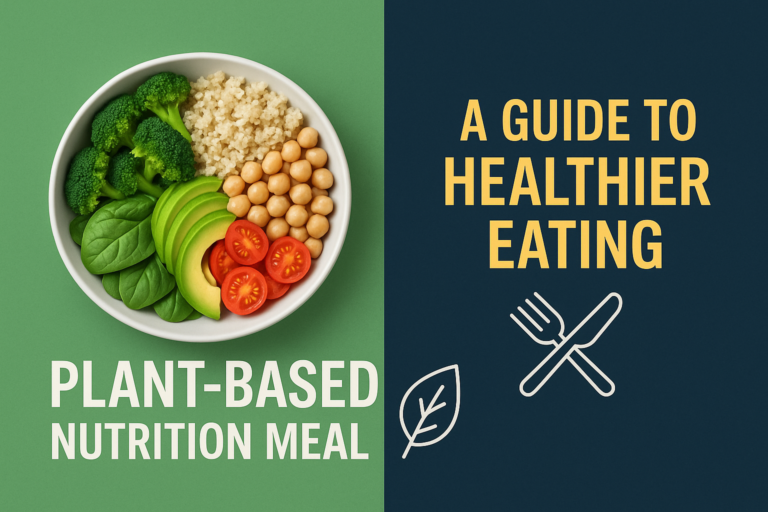
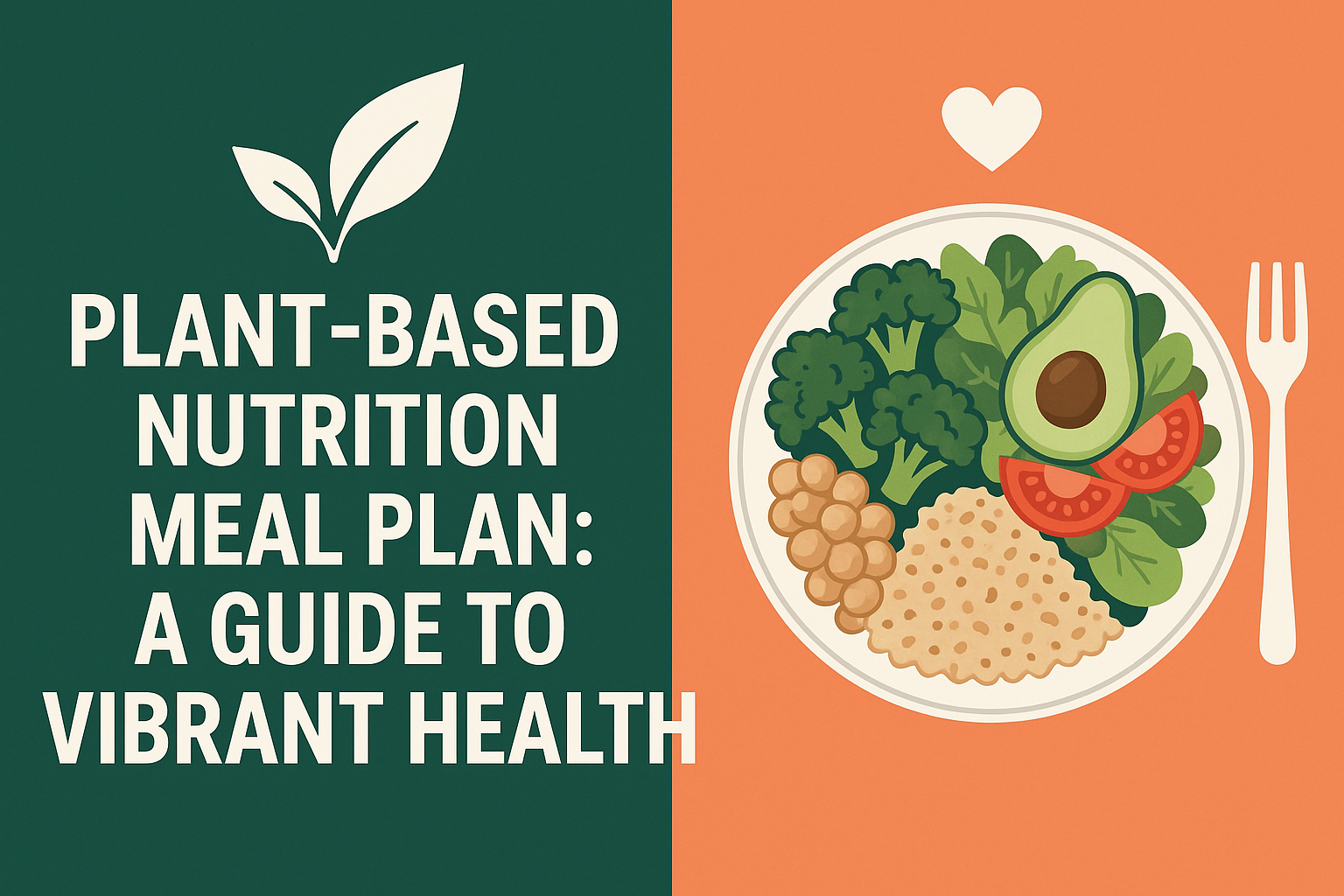
Crafting a balanced plant-based meal involves combining a variety of food groups—grains, legumes, vegetables, fruits, nuts, and seeds—at every meal. Visualize your plate: half should be filled with vegetables and fruits, a quarter with whole grains, and the remaining quarter with protein-rich legumes or tofu. Portion sizes will depend on your age, activity level, and specific health goals, but regular meal timing helps maintain energy levels throughout the day. To simplify your transition, consider following a sample daily meal plan: oatmeal with berries and walnuts for breakfast, a lentil and veggie stir-fry for lunch, hummus and veggie wraps for snacks, and a chickpea curry with brown rice for dinner. Planning meals weekly and prepping ingredients in advance—such as chopping veggies or cooking grains in bulk—can make healthy eating more convenient and sustainable.
Common challenges, such as concerns about protein intake or navigating social situations, are easily overcome with the right strategies. Despite persistent myths, plant-based diets can provide ample protein when variety and portion sizes are considered. Shopping for seasonal produce, buying in bulk, and using leftovers creatively can make plant-based eating budget-friendly and minimize food waste. When dining out or traveling, look for menu items centered around vegetables, grains, or beans, and don’t hesitate to ask for plant-based options. Cravings for familiar foods can be addressed by preparing plant-based versions of your favorites, making the transition smoother and more enjoyable.
Inspiration in the kitchen is key to staying motivated. Quick ideas include overnight oats with fruit for breakfast, hearty grain bowls for lunch, veggie-packed stir-fries for dinner, and trail mix or hummus with veggies for snacks. Try recipes like a vibrant quinoa salad, spicy black bean tacos, or creamy lentil soup—each packed with flavor, nutrients, and minimal prep. Experiment with herbs, spices, and seasonal produce to keep meals exciting and varied throughout the year, ensuring your plant-based journey is both delicious and sustainable.Embracing a plant-based meal plan offers a wealth of benefits for your health, the environment, and your sense of culinary adventure. By including more fruits, vegetables, whole grains, legumes, nuts, and seeds in your diet, you can lower your risk of chronic diseases, boost your energy levels, and support sustainable food systems. As we’ve discussed, transitioning to a plant-based lifestyle doesn’t have to be overwhelming or restrictive. Even small changes—like swapping out one meal a day or trying a new recipe each week—can make a meaningful difference over time.
It’s important to remember that progress is personal and looks different for everyone. Instead of striving for perfection, focus on the positive steps you’re taking and recognize each achievement along the way. Maybe you’ve prepared your first homemade lentil soup, discovered a love for overnight oats, or simply incorporated more greens into your lunches. Celebrate these moments—they’re all part of your journey toward a healthier, more mindful way of eating.
If you’re eager to learn more, there are plenty of resources to support you. Books like “How Not to Die” by Dr. Michael Greger or “The Plant-Based Diet for Beginners” by Gabriel Miller offer evidence-based advice and practical meal ideas. Websites such as Forks Over Knives, Minimalist Baker, and NutritionFacts.org provide recipes, nutritional information, and inspiration. There are also user-friendly apps like Yummly, Mealime, and Daily Dozen to help you plan meals and track your intake.
Why not take the first step today? Challenge yourself to try a plant-based meal this week—whether it’s a vibrant salad, a hearty vegetable stew, or a flavorful chickpea curry. Share your experience with friends or family, or post about it online to inspire others. You might be surprised by how simple, satisfying, and enjoyable plant-based eating can be. Every small effort counts, and you’re investing in your well-being and the planet’s future with each bite.