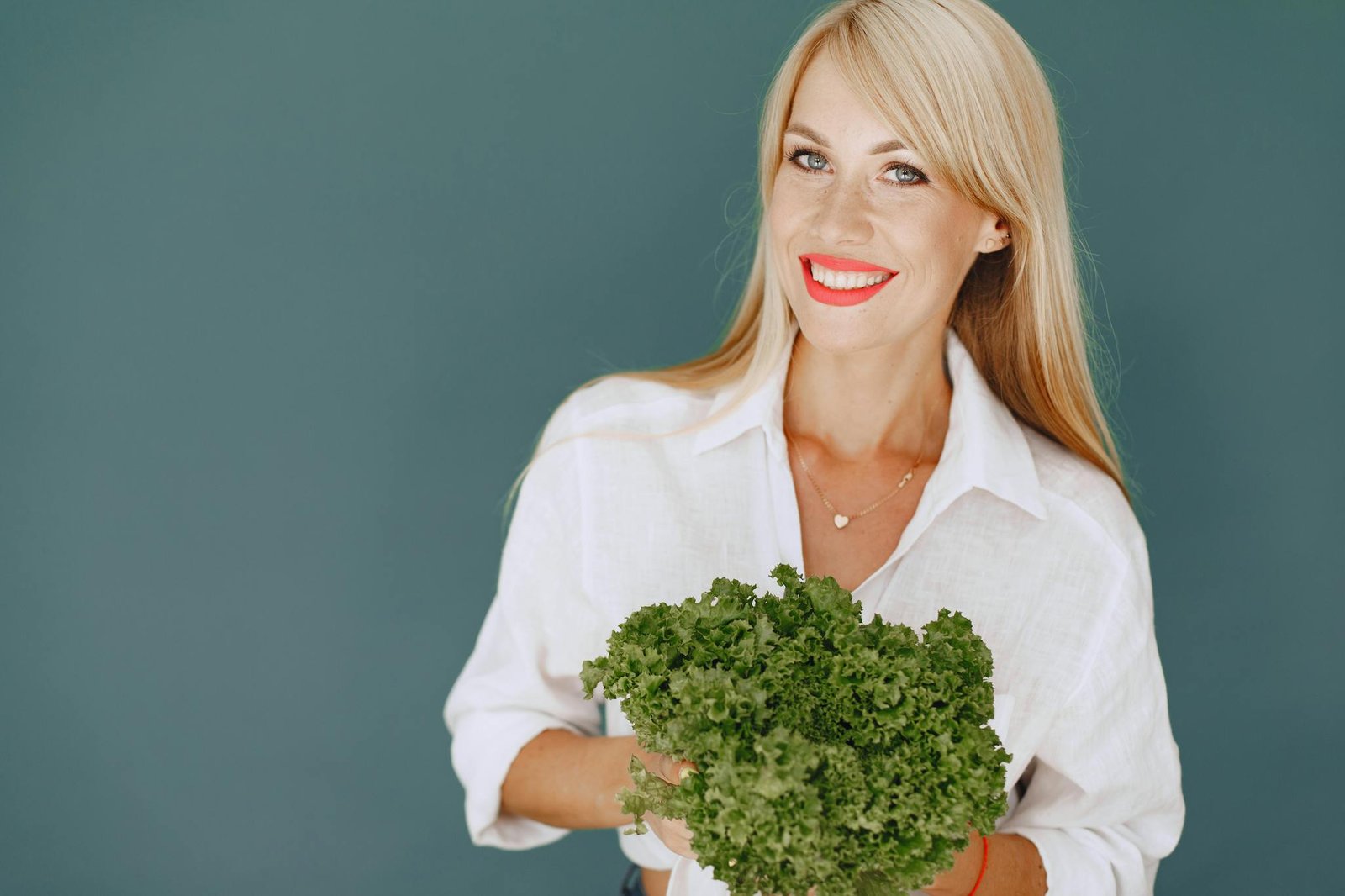
# Nutrition for Healthy Skin and Hair: Unlocking Your Natural Glow
Of course! However, you haven’t specified which section or topic you’d like me to write about. Please provide the subject or section you want a 300-400 word paragraph on, and I’ll craft it for you right away.Ever wondered why some people seem to have that effortless glow, while others struggle with dull skin and brittle hair—no matter how many serums or shampoos they try? Picture this: two friends invest in the latest beauty products and spend hours perfecting their skincare routines, yet only one seems to radiate health from the inside out. The difference often isn’t what’s in their bathroom cabinet, but what’s on their plate. In fact, a recent survey found that nearly 70% of people focus more on external beauty products than on nutrition, yet dermatologists report that diet can affect up to 80% of your skin and hair’s appearance.
It’s easy to be dazzled by the promise of overnight transformations from miracle creams or expensive hair masks. But the truth is, true radiance starts beneath the surface. Cells that make up your skin and hair are constantly renewing themselves, and the building blocks they use come directly from the foods you eat. When your body lacks vital nutrients—like antioxidants, healthy fats, proteins, and vitamins—your skin may become dry, your hair may lose its shine, and that coveted healthy glow can seem out of reach.
Science backs this up: studies show that diets rich in fruits, vegetables, lean proteins, and healthy fats support collagen production, protect against environmental damage, and promote stronger, shinier hair. Meanwhile, diets high in processed foods and sugars can accelerate aging and lead to breakouts or thinning hair. Even hydration plays a role, with proper water intake helping to plump skin and maintain elasticity.
So, instead of only chasing the latest beauty trends, imagine what could happen if you nourished your beauty from within. Over the next few minutes, we’ll explore the fascinating, research-backed connections between nutrition and your appearance. You’ll discover which foods can give you that natural glow and luscious locks, and why changing what you eat might just be the secret weapon your beauty routine is missing. Get ready to unlock the science of radiant skin and lustrous hair—one delicious bite at a time.Certainly! Please provide the section or topic you would like me to write about.When it comes to achieving lasting beauty, the conversation often centers on the latest serums, creams, and cosmetic treatments. However, true radiance begins much deeper than the surface of your skin—it starts with what you put on your plate. Nutrition is the foundation of beauty, shaping the health and appearance of your skin, hair, and nails from the inside out. While topical products can offer quick fixes and temporary improvements, their effects are limited if your body isn’t receiving the essential nutrients it needs to thrive.
Every cell in your body, including those that make up your skin and hair, depends on a steady supply of nutrients delivered through the bloodstream. The foods you eat are broken down and transported to these cells, supporting their structure, function, and repair. For example, when you consume a diet rich in vitamins, minerals, healthy fats, antioxidants, and proteins, you provide your body with the building blocks it needs to maintain smooth, glowing skin and strong, lustrous hair. On the other hand, nutritional deficiencies can quickly manifest as dullness, dryness, breakouts, or thinning hair—no matter how advanced your skincare routine may be.
It’s important to recognize the difference between short-term, surface-level solutions and a holistic, inside-out approach to beauty. Topical treatments may help address specific concerns or enhance the skin’s barrier, but their benefits are often limited if your body is lacking the nutrients necessary for cellular renewal and protection. In contrast, a balanced diet rich in key nutrients can help prevent and even reverse common beauty concerns over time, working at the cellular level to promote long-lasting results.
In the sections that follow, we’ll explore the essential players in the nutrition-beauty connection: vitamins that revitalize your complexion, minerals that strengthen hair and nails, healthy fats that lock in moisture, antioxidants that protect against environmental stressors, and proteins that build and repair tissues. By understanding how these nutrients work together, you’ll be empowered to make choices that nourish your body and reveal your natural beauty from within.Certainly! Please provide the section or topic you’d like me to write a 300-400 word paragraph about.Nourishing your skin and hair from within begins with understanding the essential nutrients your body needs. Glowing skin and strong, lustrous hair are often the result of a balanced diet packed with vitamins, minerals, proteins, and healthy fats. Among these, vitamin C stands out for its powerful antioxidant properties, supporting collagen production to keep skin firm and youthful while fighting free radical damage. Vitamin E also plays a crucial role, helping to protect skin cells from environmental stressors and maintaining moisture balance, which is vital for a radiant complexion.
Biotin, a B-vitamin, is well-known for its ability to promote hair growth and enhance hair strength, reducing brittleness and split ends. Alongside biotin, vitamin A supports the production of sebum, the natural oil that keeps both scalp and skin hydrated and healthy. Without adequate vitamin A, skin can appear dull, and hair may become dry and prone to breakage.
Minerals such as zinc and selenium are equally important. Zinc aids in repairing damaged tissues and facilitates the proper functioning of oil glands around hair follicles. Selenium, on the other hand, helps protect the skin from sun damage and supports the body’s antioxidant defenses. Iron is another key mineral; it enables red blood cells to carry oxygen to hair follicles and skin cells, promoting cell regeneration and growth. Iron deficiency can result in hair thinning and a pale, unhealthy complexion.
Protein forms the structural foundation of both skin and hair—collagen and keratin are two proteins that ensure skin elasticity and hair strength, respectively. Consuming enough high-quality protein, such as eggs, fish, lean meats, beans, and nuts, is essential for maintaining the integrity of these tissues.
Don’t overlook the importance of omega-3 fatty acids, found in fatty fish, flaxseeds, and walnuts. These healthy fats help maintain the skin’s lipid barrier, sealing in moisture and preventing dryness and inflammation. They also support scalp health and can reduce symptoms of itchy, flaky skin.
Ultimately, a diet abundant in colorful fruits, vegetables, whole grains, lean proteins, and healthy fats supplies your body with the comprehensive array of nutrients needed to achieve naturally glowing skin and resilient, vibrant hair. By prioritizing these essentials, you lay the foundation for beauty that radiates from the inside out.Healthy, radiant skin begins on the inside, and what you eat plays a crucial role in how your skin looks and feels. Several key nutrients are particularly important for maintaining skin health, each offering unique benefits and best obtained from a variety of whole foods.
Vitamin C is essential for the production of collagen, the protein responsible for the skin’s firmness and elasticity. Without adequate vitamin C, collagen synthesis slows, leading to dullness and the formation of fine lines. Citrus fruits like oranges and grapefruits, as well as bell peppers, are excellent sources of this vitamin. Including these foods in your diet can support your skin’s structure and promote a youthful glow.
Vitamin E acts as a powerful antioxidant, protecting skin cells from damage caused by free radicals and environmental stressors, such as sun exposure and pollution. This nutrient helps to prevent premature aging and supports the skin’s natural repair processes. Almonds and sunflower seeds are rich in vitamin E, making them great snack options for skin health.
Vitamin A plays a vital role in promoting cell turnover, helping to shed old, dead skin cells and reveal fresh, new skin underneath. This process keeps your complexion vibrant and can prevent clogged pores and breakouts. Carrots and sweet potatoes, both high in beta-carotene (a precursor to vitamin A), are excellent choices for boosting your intake. Consuming these foods regularly supports a smooth and even skin tone.
Zinc is another important nutrient, contributing to the healing and repair of damaged skin. It also helps regulate oil production and can reduce the severity of acne. Pumpkin seeds and lentils are rich plant-based sources of zinc that can easily be added to salads, soups, or snacks.
Omega-3 fatty acids are essential for maintaining the skin’s moisture barrier and controlling inflammation, which can lead to redness and irritation if unchecked. These healthy fats are found in oily fish like salmon and in plant sources such as flaxseed. Including omega-3s in your diet can help maintain soft, supple skin and reduce inflammatory skin conditions.
Lastly, water is fundamental for skin hydration. Drinking enough water helps flush out toxins, keeps skin plump, and enhances clarity. Proper hydration prevents dryness and supports the skin’s natural barrier, ensuring a healthy, radiant complexion.
By prioritizing these key nutrients in your daily meals, you provide your skin with the building blocks it needs to stay healthy, resilient, and glowing.Healthy hair depends heavily on a variety of nutrients that support its growth, strength, and overall vitality. Among these, protein is perhaps the most fundamental. Hair is primarily composed of a protein called keratin, making adequate protein intake essential for maintaining hair structure and resilience. Without enough protein, hair can become weak, brittle, and more prone to breakage. Excellent sources of protein include eggs, fish, and beans, which can be easily incorporated into a balanced diet to meet daily requirements.
Another vital nutrient for hair health is biotin, also known as Vitamin B7. Biotin plays a key role in the production of keratin, and a deficiency in this vitamin can lead to thinning hair or hair loss. Consuming foods rich in biotin, such as nuts and eggs, can help support hair growth and improve the strength of each strand, resulting in thicker, healthier hair over time.
Iron is equally important, particularly in preventing hair loss. Iron helps red blood cells carry oxygen to hair follicles, fueling their growth and repair. When iron levels are low, hair follicles may not receive enough oxygen, which can disrupt the hair growth cycle and lead to shedding. Spinach, red meat, and legumes are all excellent sources of iron and can help maintain optimal levels in the body.
Vitamin D is another nutrient that plays a significant role in hair follicle health. This vitamin helps in the creation of new hair follicles and may help maintain the thickness of existing hair. Since the body synthesizes vitamin D when exposed to sunlight, regular and safe sun exposure is beneficial. Additionally, fortified foods such as certain dairy products and cereals can help boost vitamin D intake, especially in individuals who have limited sun exposure.
Lastly, selenium is a trace mineral that contributes to scalp health. It acts as an antioxidant, protecting cells from damage and supporting the proper functioning of hair follicles. Selenium also plays a role in controlling dandruff and maintaining a healthy scalp environment. Brazil nuts are particularly rich in selenium, but mushrooms and other foods also provide smaller amounts.
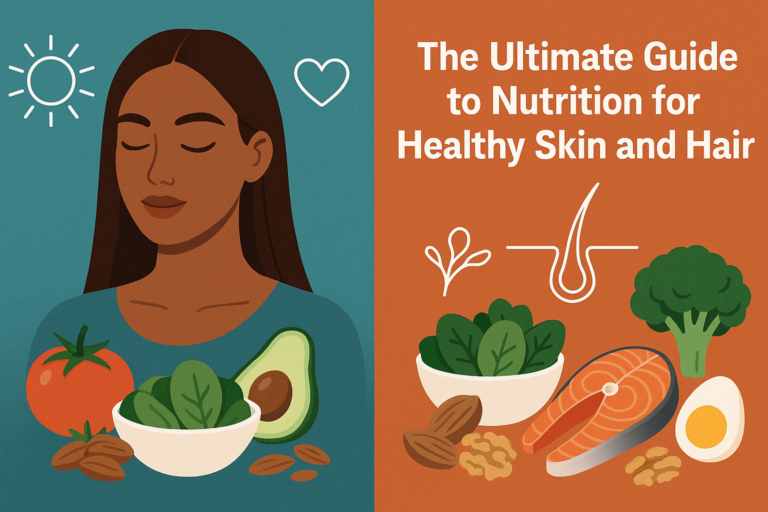
Incorporating a variety of these key nutrients through a balanced diet can significantly improve hair health, promoting stronger, shinier, and more resilient hair while reducing the risk of hair loss and scalp issues.Nourishing your skin and hair from within starts with making thoughtful dietary choices. Incorporating a variety of nutrient-rich foods into your meals can have a remarkable impact on your overall appearance and well-being. Leafy greens such as spinach, kale, and Swiss chard are excellent sources of vitamins A, C, and E—powerful antioxidants that help protect skin cells from environmental damage and support healthy hair growth. Berries like blueberries, strawberries, and raspberries are packed with vitamin C and polyphenols, which promote collagen production and help maintain skin elasticity. Fatty fish, including salmon, mackerel, and sardines, are rich in omega-3 fatty acids that keep your skin supple, reduce inflammation, and encourage shiny, strong hair. Nuts and seeds, particularly almonds, walnuts, flaxseeds, and chia seeds, provide essential fatty acids, biotin, and zinc—nutrients that are vital for strong hair and resilient skin. Eggs, a versatile and affordable protein source, also supply biotin and sulfur, both of which are necessary for hair strength and shine. Don’t overlook avocados, which are loaded with healthy fats and vitamin E, helping to moisturize the skin from the inside out. Finally, staying hydrated by drinking plenty of water and including water-rich fruits and vegetables like cucumbers, watermelon, and oranges ensures your skin remains plump and radiant.
While embracing these skin- and hair-friendly foods, it’s equally important to be mindful of what to limit or avoid. Excessive consumption of added sugars and highly processed foods can trigger inflammation and break down collagen and elastin, leading to dull skin and brittle hair. Foods high in refined carbohydrates—like white bread, pastries, and sugary cereals—can spike blood sugar levels, which may exacerbate acne and other skin concerns. Limiting intake of deep-fried foods and unhealthy fats is also crucial, as these can clog pores and contribute to scalp issues. Additionally, excessive alcohol can dehydrate your body, robbing your skin and hair of the moisture they need to stay healthy and vibrant. Smoking and high-caffeine consumption can further sap your skin’s glow and inhibit hair growth. By focusing on whole, unprocessed foods and minimizing harmful dietary habits, you can lay the groundwork for strong, luminous hair and clear, glowing skin.Emerging research increasingly highlights the deep interconnection between the gut, skin, and hair, a relationship often referred to as the gut-skin-hair axis. The gut serves as a central hub for digestion and nutrient absorption, but its influence extends far beyond these primary functions. A healthy gut microbiome—composed of trillions of beneficial bacteria—plays a pivotal role in regulating immune responses, controlling inflammation, and maintaining the integrity of the skin and hair. When the gut is in balance, it efficiently absorbs vitamins and minerals such as biotin, zinc, vitamin A, and omega-3 fatty acids, all of which are essential for healthy skin and hair. Conversely, an imbalanced gut, often marked by dysbiosis (an overgrowth of harmful bacteria), can lead to increased intestinal permeability or “leaky gut,” allowing toxins and inflammatory compounds to enter the bloodstream. This can trigger systemic inflammation, which may manifest as skin conditions like acne, eczema, or psoriasis, and contribute to hair thinning or loss.
Prebiotics and probiotics are two powerful tools in supporting and restoring gut health, thereby positively impacting the skin and hair. Prebiotics are non-digestible fibers found in foods like garlic, onions, bananas, and asparagus; they serve as food for beneficial gut bacteria, encouraging their growth and activity. Probiotics, found in fermented foods such as yogurt, kefir, sauerkraut, and kimchi, introduce live beneficial bacteria directly into the digestive tract. These friendly microbes help maintain a balanced gut flora, reduce inflammation, and strengthen the gut barrier. As the gut environment stabilizes, the improved absorption of nutrients and the reduction of systemic inflammation can result in clearer skin and stronger, healthier hair. Clinical studies have shown that individuals who regularly consume prebiotic- and probiotic-rich foods often experience fewer skin flare-ups and less hair shedding compared to those with poor gut health. Ultimately, nurturing the gut through a diet abundant in prebiotics and probiotics not only boosts digestion but also lays the foundation for radiant skin and vibrant hair, underscoring the holistic nature of health and beauty.Starting your day with a thoughtfully balanced breakfast sets the tone for vibrant skin, strong hair, and overall radiance. Consider a bowl of overnight oats topped with antioxidant-rich berries, chia seeds, and a sprinkle of walnuts—this combination delivers essential omega-3 fatty acids, fiber, and vitamin C to help support collagen production and fight free radicals. Alternatively, a smoothie made with spinach, banana, Greek yogurt, and flaxseeds is a quick and nourishing option, providing protein for tissue repair and nutrients that keep your complexion glowing.
Lunch can be both satisfying and beautifying with a colorful salad featuring mixed greens, cherry tomatoes, cucumbers, shredded carrots, and grilled salmon or chickpeas. Drizzle with olive oil and lemon juice for a boost of healthy fats and vitamin E, both crucial for supple, hydrated skin. Whole grain wraps filled with avocado, turkey breast, leafy greens, and a handful of sunflower seeds are another excellent choice, delivering zinc and biotin to strengthen hair and nails.
For dinner, aim to include lean protein, a variety of vegetables, and wholesome grains. A plate of grilled chicken or tofu with roasted sweet potatoes, steamed broccoli, and quinoa ensures a spectrum of vitamins and minerals, such as vitamin A for skin repair and selenium for antioxidant defense. Stir-fries with bok choy, bell peppers, edamame, and shrimp, sautéed in sesame oil, provide a delicious dose of vitamin C, beta-carotene, and protein, fueling cellular renewal and elasticity.
Snacks play a vital role in maintaining steady energy and nourishing your body between meals. Reach for a handful of mixed nuts and seeds, which supply vitamin E, selenium, and healthy fats that protect the skin’s barrier. Sliced apple with almond butter is a sweet, satisfying option rich in fiber and vitamin E. Greek yogurt with pomegranate seeds or a few squares of dark chocolate paired with fresh berries offer antioxidants that help minimize signs of aging.
By incorporating these meal and snack ideas into your daily routine, you’re not only fueling your body but also providing it with the nutrients it needs to reveal your natural beauty from the inside out. Thoughtful choices make it easy to enjoy delicious food while supporting your skin, hair, and nails in the most nourishing way possible.Lifestyle factors beyond diet—such as stress management, sleep quality, and physical activity—play a crucial role in supporting overall health and can significantly influence the effectiveness of nutritional interventions. While diet forms the foundation of well-being, it does not exist in isolation; rather, it interacts dynamically with other aspects of daily life. For instance, chronic stress can impact eating behaviors, often leading to cravings for high-sugar or high-fat foods, which may undermine even the most balanced diet. Moreover, stress hormones like cortisol can alter metabolism, promote fat storage, and contribute to insulin resistance. Therefore, incorporating stress management techniques—such as mindfulness, meditation, deep breathing, or yoga—can help regulate these physiological responses and support healthier dietary choices.
Sleep is another critical factor that intersects with nutrition. Inadequate sleep has been linked to dysregulation of hunger hormones, such as increased ghrelin and decreased leptin, which can drive overeating and unhealthy food preferences. Poor sleep also negatively affects cognitive function and decision-making, making it more difficult to adhere to healthy eating patterns. Establishing a consistent sleep routine, aiming for 7–9 hours of quality rest each night, can help maintain hormonal balance and reinforce the benefits of a nutritious diet.
Physical activity complements dietary efforts by enhancing metabolic health, supporting weight management, and reducing the risk of chronic diseases. Regular exercise improves insulin sensitivity, promotes muscle mass, and supports cardiovascular health, all of which are influenced by nutrition. Moreover, physical activity can help mitigate the negative effects of stress and improve sleep quality, creating a synergistic effect that amplifies the positive outcomes of a healthy diet. Even moderate activities, such as brisk walking, cycling, or gardening, can contribute meaningfully to overall well-being.
In essence, optimizing nutrition is most effective when integrated with mindful stress management, adequate sleep, and regular physical activity. These interconnected lifestyle factors create a supportive environment for sustainable health improvements, highlighting the importance of a holistic approach rather than focusing solely on dietary choices. By addressing these elements together, individuals can maximize the benefits of their nutritional efforts and cultivate long-term wellness.When it comes to nutrition and healthy eating, myths and misconceptions abound—often fueled by sensational headlines, celebrity endorsements, and clever marketing. One prevalent myth is the belief that dietary supplements are an adequate substitute for whole foods. While supplements can help address specific nutrient deficiencies, they cannot replicate the complex combination of vitamins, minerals, fiber, antioxidants, and other beneficial compounds found naturally in whole foods. Relying solely on supplements may result in missing out on these synergistic nutrients that work together to promote optimal health. Whole foods provide a balance that supplements simply cannot match, making them the foundation of any healthy diet.
Another common misconception revolves around the idea of “superfoods”—certain foods touted as miracle solutions for health issues or as shortcuts to wellness. While it’s true that foods like blueberries, kale, or quinoa are packed with valuable nutrients, no single food can provide all the nutrition the body needs or single-handedly prevent disease. The concept of superfoods often overshadows the importance of dietary variety and balance. Focusing too much on a handful of trendy items can lead to neglecting other equally important foods, potentially resulting in an unbalanced diet. True health benefits come from consistently consuming a diverse range of fruits, vegetables, whole grains, lean proteins, and healthy fats, rather than relying on any one “miracle” ingredient.
The allure of miracle cures and quick fixes is another persistent myth in the realm of nutrition. Diets or products promising rapid weight loss, detoxification, or the reversal of chronic illnesses with minimal effort are rarely backed by solid scientific evidence. These approaches can be not only ineffective but sometimes harmful, leading to nutrient deficiencies or other health issues. Sustainable, long-term health is built on gradual lifestyle changes, such as adopting a balanced diet, staying physically active, and managing stress, rather than on any single product or extreme intervention.
Disentangling fact from fiction in the world of nutrition requires critical thinking and evidence-based guidance. By understanding and challenging these common myths, individuals can make more informed, practical choices that support lasting health and well-being.Certainly! Please provide the section or topic you’d like me to develop into a 300–400 word paragraph.Nourishing your skin and hair truly begins from within. While topical treatments and beauty products certainly play a role in your routine, the foundation of radiant, resilient skin and strong, shiny hair is a balanced, nutrient-rich diet. Vitamins, minerals, healthy fats, and antioxidants found in whole foods work together to repair, protect, and rejuvenate your body’s largest organ—your skin—and support the vitality of your hair. From the omega-3s in fatty fish and walnuts to the vitamin C in citrus fruits and bell peppers, every meal is an opportunity to fuel your beauty from the inside out.
It’s important to remember that meaningful, lasting changes don’t come from drastic diets or quick-fix cleanses. Instead, focus on making small, sustainable adjustments to your daily eating habits. Start by adding a handful of berries to your morning yogurt, swapping out white bread for whole grains, or including more leafy greens in your lunch and dinner. Over time, these simple choices will add up, providing your body with the essential nutrients it needs to glow. Consistency is key, and by gradually integrating more nutrient-dense foods into your meals, you’ll notice improvements not just in your appearance, but in your overall health and energy levels.
Taking charge of your beauty routine starts at the dinner table. Empower yourself by making food choices that support your unique needs and goals. Whether you prep a nourishing smoothie, assemble a colorful salad, or try a new recipe featuring skin-loving ingredients, every bite is a step toward a healthier, more radiant you. Your journey to beautiful skin and hair doesn’t require perfection—just a willingness to start.
Let’s inspire each other! Share this post with friends who might benefit from these tips, and let us know in the comments your favorite foods for glowing skin or strong hair. Or, challenge yourself to try one of the meal plan suggestions this week and see how you feel. Remember, beauty is more than skin deep, and every meal is a chance to nourish yourself from within.