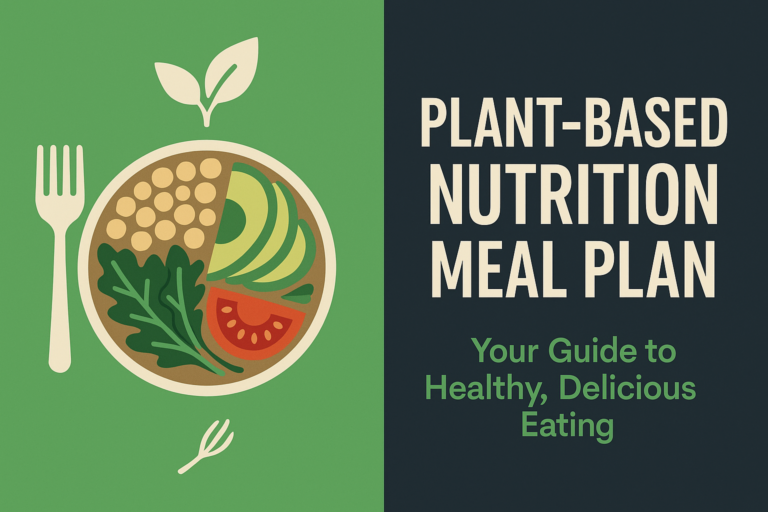
PlantBased Nutrition Meal Plan: A Guide to Healthy, Delicious Eating
When Jane switched to a plant-based diet, she didn’t expect miracles—she just hoped for a little more energy. Within weeks, her afternoon slumps vanished, her skin glowed, and her doctor’s jaw dropped at her improved cholesterol levels. Jane’s story is not unique; in fact, studies show that more people than ever are embracing plant-based eating, with a 300% increase in plant-based food sales over the past decade. What’s driving this surge isn’t simply a fad or a fleeting trend fueled by social media influencers. It’s a growing body of science-backed evidence revealing transformative benefits for both personal health and the planet.
Across the globe, athletes are outperforming their previous records, busy professionals are reporting sharper focus, and families are discovering new culinary adventures—all by making plants the star of their plates. The appeal goes beyond weight loss or dietary restrictions; plant-based nutrition is linked to a lower risk of heart disease, diabetes, and certain cancers. Even the World Health Organization and major medical associations now advocate for more plant-powered meals, highlighting their role in longevity and disease prevention. Environmental concerns are also at the forefront, as reducing animal product consumption is one of the most impactful ways individuals can lower their carbon footprint.
But the movement toward plant-based eating is more than just numbers, health metrics, or eco-friendly headlines. It’s about reclaiming your relationship with food, exploring vibrant flavors, and fueling your body in a way that aligns with your values. Whether you’re curious about going fully plant-based or simply want to add more plant-forward meals to your routine, understanding the potential of plant-based nutrition is key. A thoughtfully crafted plant-based meal plan can open the door to better health, renewed energy, and a lighter impact on the planet—proving once and for all that this is far more than a passing trend.Plant-based nutrition refers to a way of eating that centers around foods derived primarily from plants. This includes not only fruits and vegetables, but also whole grains, legumes, nuts, and seeds. While some people assume “plant-based” means strictly vegan, it’s important to clarify that plant-based diets can vary in their level of animal product inclusion. For example, a whole-food, plant-based diet emphasizes minimally processed plant foods and typically excludes or greatly limits meat, dairy, and eggs, but does not always require complete avoidance. In contrast, vegan diets eliminate all animal-derived products, while vegetarian diets may include dairy and eggs. Understanding these distinctions helps clear up common misconceptions that all plant-based diets are the same or that they lack variety and nutrients.
Another misconception is that plant-based nutrition is restrictive or lacks sufficient protein and essential nutrients. In reality, well-planned plant-based diets provide all the necessary macronutrients and micronutrients your body needs, often with added health advantages. For instance, focusing on whole foods—such as leafy greens, beans, whole grains, and nuts—ensures a rich intake of fiber, antioxidants, vitamins, and minerals while naturally reducing saturated fats, cholesterol, and processed ingredients.
The health benefits of adopting a plant-based approach are supported by a growing body of research. Studies consistently show that plant-based diets can lower the risk of heart disease by reducing blood pressure, cholesterol levels, and inflammation. These diets are also linked to healthier weight management, as plant foods tend to be lower in calories and higher in nutrients that promote satiety. Furthermore, evidence suggests that those who follow plant-based eating patterns often experience greater longevity and a reduced risk of chronic diseases such as type 2 diabetes and certain cancers. By understanding these basics, you can better appreciate how plant-based nutrition supports overall health while offering a flexible and diverse approach to eating.Creating a balanced plant-based meal plan begins with understanding the essential components your body needs to function at its best. The three primary macronutrients—protein, carbohydrates, and healthy fats—form the foundation of any nutritious diet, including plant-based ones. Plant-based proteins can be easily sourced from beans, lentils, tofu, tempeh, edamame, chickpeas, and a variety of whole grains like quinoa or farro. Nuts and seeds such as almonds, chia seeds, hemp seeds, and pumpkin seeds also provide both protein and beneficial fats. Incorporating a diverse range of these foods throughout the day ensures your body receives all the essential amino acids, which are the building blocks of protein.
Carbohydrates are another cornerstone of plant-based nutrition, supplying the energy required for daily activities. Opt for complex carbohydrates like whole grains—brown rice, oats, barley, and whole wheat—as well as starchy vegetables such as sweet potatoes, corn, and squash. These foods not only offer sustained energy but are also rich in dietary fiber, which supports digestive health and helps maintain stable blood sugar levels.
Healthy fats are vital for brain function, hormone production, and the absorption of fat-soluble vitamins. Avocados, olives, nuts, and seeds are excellent sources of monounsaturated and polyunsaturated fats. Flaxseeds, chia seeds, walnuts, and hemp seeds are particularly valuable because they contain alpha-linolenic acid (ALA), a plant-based omega-3 fatty acid essential for heart and brain health.
While a well-planned plant-based diet covers most nutrient needs, attention to certain micronutrients is important. Vitamin B12, for example, is not naturally present in plant foods and must be obtained through fortified foods like plant milks, breakfast cereals, or a reliable supplement. Iron from plant sources—found in lentils, beans, tofu, spinach, and pumpkin seeds—is best absorbed when paired with vitamin C-rich foods like bell peppers, oranges, or tomatoes. Calcium, crucial for bone health, can be sourced from fortified plant milks and juices, tofu made with calcium sulfate, almonds, bok choy, and broccoli. Vitamin D, another key nutrient for bone health, is often added to plant milks and cereals, but sunlight exposure and supplementation may also be necessary, especially in areas with limited sun. Omega-3 fatty acids, as mentioned, should be a focus, and vitamin D-fortified foods or supplements can help fill any gaps. By being mindful of these nutrients and their sources, you can build a plant-based meal plan that supports overall health and well-being.Planning your meals with intention can transform your relationship with food and help you meet your health goals more efficiently. The first step is to clearly define what you hope to achieve through your nutrition. Are you aiming for weight loss, building muscle, or simply striving for better overall health? Your goals will shape the types of foods you prioritize, the portion sizes you select, and the frequency of your meals. For instance, if your focus is weight loss, you’ll want to create a calorie deficit by choosing nutrient-dense, lower-calorie foods and monitoring your portion sizes. If muscle gain is your objective, you’ll need to ensure you’re getting enough high-quality protein and healthy carbohydrates to fuel and repair your muscles. For overall health, variety and balance are key, ensuring your body receives all the vital nutrients it needs to function optimally.
Building a balanced plate is essential, regardless of your specific goal. Aim to fill half your plate with non-starchy vegetables such as leafy greens, broccoli, or carrots. Reserve one quarter for whole grains like quinoa, brown rice, or whole wheat pasta, which provide sustained energy. The remaining quarter should consist of lean proteins or plant-based sources like lentils, beans, or tofu. Don’t forget to add a serving of fruit for natural sweetness and fiber, and include healthy fats from sources such as avocados, nuts, seeds, or olive oil to support brain health and hormone production. Striving for a rainbow of colors on your plate not only makes your meals more appealing but also ensures a diverse intake of vitamins and minerals.
Meal prepping is a practical strategy to stay on track with your nutrition goals and save time during the week. Start by planning your meals and snacks for the week, then create a shopping list based on these plans. Focus on stocking up with essentials such as whole grains, legumes, fresh or frozen vegetables and fruits, healthy fats like olive oil and nuts, and your choice of protein sources. Preparing ingredients in advance—such as chopping vegetables, cooking grains, or portioning out snacks—can make assembling meals quick and convenient. Investing a few hours each week in meal prep helps reduce last-minute, less healthy food choices and keeps you consistent in your journey toward better health.A well-designed one-week plant-based meal plan can make the transition to a plant-based lifestyle both enjoyable and practical, especially for those with busy schedules. Starting with breakfast, options like overnight oats with almond milk, chia seeds, berries, and a sprinkle of walnuts offer a nutrient-packed, grab-and-go meal. Alternatively, a smoothie made with spinach, banana, peanut butter, and plant-based protein powder can be quickly blended for mornings on the run. For lunch, grain bowls are versatile and easy to prepare in advance. Combine cooked quinoa or brown rice with roasted vegetables, chickpeas, and a tahini drizzle. Wraps using whole grain tortillas, hummus, shredded carrots, greens, and sliced avocado are also satisfying and portable. Dinner can be simple yet flavorful—think stir-fries with tofu or tempeh, broccoli, bell peppers, and a soy-ginger sauce served over brown rice, or a hearty lentil stew paired with whole grain bread. Snacks throughout the day might include apple slices with almond butter, roasted chickpeas, veggie sticks with hummus, or a handful of mixed nuts.
Quick recipes and easy swaps are essential for sticking to a plant-based diet on hectic days. Swap dairy milk for oat or soy milk in recipes and coffee, use canned beans for speedy protein in salads and soups, and keep frozen veggies on hand for quick stir-fries or pasta additions. Pre-chopped vegetables, bagged salads, and microwaveable grains can save precious time during meal prep. Batch-cooking on weekends or using a slow cooker can also provide ready-to-eat meals throughout the week, reducing the temptation to grab less-healthy convenience foods.
Navigating eating out and social situations is manageable with a little planning. Many restaurants now offer plant-based dishes or are willing to customize meals—don’t hesitate to ask for vegetable-based substitutions or to hold cheese and meat. Ethnic cuisines such as Mediterranean, Indian, Thai, or Mexican often feature plant-based options like falafel, bean burritos, or vegetable curries. When attending gatherings, consider bringing a plant-based dish to share, ensuring there’s something you can enjoy while also introducing others to delicious plant-based foods. With these strategies, a plant-based meal plan becomes adaptable, convenient, and enjoyable, supporting both health and a busy lifestyle.Transitioning to a plant-based lifestyle can be rewarding, but it also comes with its unique set of challenges. One of the most common hurdles is managing cravings, especially for those accustomed to meat, dairy, or processed snacks. To overcome this, it’s essential to focus on flavor and satisfaction. Incorporating hearty whole grains, creamy plant-based sauces, and umami-rich ingredients like mushrooms, sun-dried tomatoes, or fermented foods can help replicate the depth of flavor found in animal-based dishes. Keeping healthy snacks on hand—such as roasted chickpeas, fruit with nut butter, or homemade energy bites—can also help curb cravings and keep you satisfied throughout the day.
For many, another concern is the perceived expense of a plant-based diet. However, eating plant-based doesn’t have to break the bank. Staples such as beans, lentils, rice, oats, and seasonal vegetables are generally very affordable and form the foundation of countless nourishing meals. Planning your meals in advance, buying in bulk where possible, and making use of freezer-friendly recipes can help you save both time and money. Additionally, preparing meals at home rather than relying on store-bought vegan alternatives or eating out frequently can significantly reduce costs. Shopping local and choosing produce that’s in season can further stretch your budget while supporting community growers.
Ensuring variety and meeting all your nutritional needs is another important aspect of plant-based eating. While it’s easy to fall into the habit of repeating the same meals, diversifying your diet is key to avoiding nutrient deficiencies. Aim to eat a rainbow of fruits and vegetables, incorporate different whole grains like quinoa, millet, and barley, and experiment with legumes, nuts, and seeds. Pay special attention to nutrients that can be more challenging to obtain from plants, such as vitamin B12, iron, calcium, omega-3 fatty acids, and vitamin D. Fortified foods and, if necessary, supplements can help bridge any gaps. With thoughtful planning, a plant-based diet can be both satisfying and nutritionally complete, supporting long-term health and well-being.Many individuals have discovered remarkable improvements in their health and well-being by embracing the Mediterranean diet, and their stories serve as powerful motivation for those considering this lifestyle change. For example, Sarah, a 45-year-old teacher, credits the Mediterranean approach with helping her lose 30 pounds over the course of a year while also lowering her cholesterol and blood pressure. “I never felt deprived,” she shares. “The variety of fresh vegetables, flavorful olive oil, and even the occasional glass of red wine made it enjoyable and sustainable.” Similarly, James, a retiree, found that focusing on whole grains, legumes, and fish helped him manage his Type 2 diabetes more effectively, noting increased energy and better blood sugar control.
Experts consistently praise the Mediterranean diet for its balance and flexibility. Registered dietitian Maria Lopez emphasizes starting with small, manageable changes. “You don’t have to overhaul your entire pantry overnight,” she advises. “Begin by swapping out butter for olive oil, or adding an extra serving of vegetables to your meals.” She also recommends exploring the diverse herbs and spices intrinsic to Mediterranean cuisine, which can enhance flavor without excess salt or fat. Nutritionist Dr. Anil Sharma suggests planning meals ahead of time to avoid impulse choices and to ensure a wide variety of nutrients. He also highlights the importance of social eating: “Sharing meals with family or friends, as is traditional in Mediterranean cultures, not only makes eating more enjoyable but can support healthier choices.”
To aid in tracking progress and organizing meal plans, a range of helpful apps and online resources are available. Apps like MyFitnessPal and Yazio allow users to easily log their food intake and monitor nutritional goals, while specialized platforms such as Mediterranean Diet Meal Plan and Eat This Much offer tailored recipes and shopping lists. For those seeking community support, forums like Reddit’s Mediterranean Diet group or Facebook communities provide encouragement and tips from fellow followers. Additionally, reputable websites such as Oldways and the American Heart Association offer downloadable guides, recipe collections, and evidence-based information to help individuals stay on track. By combining real-life inspiration, expert guidance, and practical digital tools, anyone can embark on a successful Mediterranean diet journey and enjoy its lasting health benefits.Embarking on a plant-based journey may feel daunting at first, but taking that initial step can open the door to a world of health benefits and delicious new flavors. If you’ve been curious about plant-based eating, there’s no better time to start than now. Remember, you don’t have to overhaul your diet overnight. Even small changes, like swapping your usual breakfast for a hearty oatmeal bowl or trying a meatless dinner once a week, can make a significant difference over time.
Throughout this guide, we’ve explored how a plant-based meal plan can support your health by providing essential nutrients, reducing the risk of chronic diseases, and helping you feel more energized. Plant-based diets are rich in fiber, vitamins, and antioxidants, which not only nourish your body but also support your immune system and digestive health. Beyond the physical benefits, adopting a plant-based approach is also an opportunity to discover new foods, flavors, and cooking techniques that can make mealtime more enjoyable and satisfying.
Getting started doesn’t have to be complicated. Begin by incorporating more fruits, vegetables, whole grains, and legumes into your daily meals. Plan ahead with simple recipes, such as vegetable stir-fries, grain bowls, or lentil soups, and don’t hesitate to experiment with herbs and spices to enhance the taste. Remember, progress is more important than perfection; each plant-based meal you choose is a positive step toward a healthier lifestyle.
To put these ideas into practice, challenge yourself to prepare a simple plant-based meal this week, or take it a step further by committing to a full week of plant-based eating. Involve your family, invite friends to join, or document your experience to stay motivated. The key is to be open, curious, and gentle with yourself as you make changes. With a bit of planning and an adventurous spirit, you’ll find that plant-based eating can be both accessible and enjoyable. So why not take that first step today? Your body, taste buds, and the planet will thank you.