PlantBased Nutrition Meal Plan: A Guide to Healthy Eating
In recent years, the popularity of plant-based diets has soared, with global sales of plant-based foods reaching over $29 billion in 2022 and expected to double by 2030. This isn’t just a passing fad or a fleeting health craze—millions of people are rethinking what’s on their plates for reasons that go far beyond food trends. Take, for example, the story of a middle-aged woman who adopted a plant-based lifestyle after years of battling high cholesterol and fatigue. Within months, she saw dramatic improvements in her energy levels and overall well-being, and her story echoes those of countless others who have made similar changes.
What’s driving this shift? At its core, the growing interest in plant-based nutrition is fueled by a convergence of concerns about personal health, environmental sustainability, and ethical considerations. Research consistently shows that diets rich in fruits, vegetables, whole grains, and legumes are linked to lower risks of heart disease, diabetes, and certain cancers. Beyond the personal health benefits, there’s a rising awareness about the environmental impact of our food choices—livestock agriculture accounts for nearly 15% of global greenhouse gas emissions, and plant-based diets offer a way to lighten that footprint. Ethical motivations also play a pivotal role, as more people question the welfare of animals in industrial farming systems.
But as the world tilts toward plant-based eating, it’s worth pausing to ask: What does it truly mean to nourish your body? Is simply swapping meat for plant-based alternatives enough, or does optimal nutrition require a more thoughtful approach? Amid the surge in meatless burgers and dairy-free cheeses, it’s easy to get swept up in labels and marketing. The real challenge—and opportunity—lies in understanding how to build a balanced, nutrient-rich plant-based diet that genuinely supports your health and aligns with your values. As you consider your next meal, how will you make choices that not only fill you up, but also fuel your best self and protect the planet for generations to come?When it comes to nutrition, the term “plant-based” is often used, but what does it really mean? Unlike vegan diets, which exclude all animal products including dairy, eggs, and honey, or vegetarian diets, which may include dairy and eggs but no meat or fish, a plant-based diet simply prioritizes foods derived from plants. This means that fruits, vegetables, whole grains, legumes, nuts, and seeds form the foundation of your meals, though some people who follow a plant-based approach may still occasionally consume small amounts of animal products. The emphasis is on making plants the star of every plate, regardless of whether you choose to eliminate animal products entirely.
Adopting a plant-based diet comes with a host of science-backed benefits. People who focus on plant foods often enjoy higher energy levels, improved digestion, and better weight management. Research consistently links plant-based eating patterns to a reduced risk of chronic illnesses, such as heart disease, type 2 diabetes, and certain cancers. The abundance of vitamins, minerals, antioxidants, and fiber found in plant foods supports a strong immune system and promotes overall health.
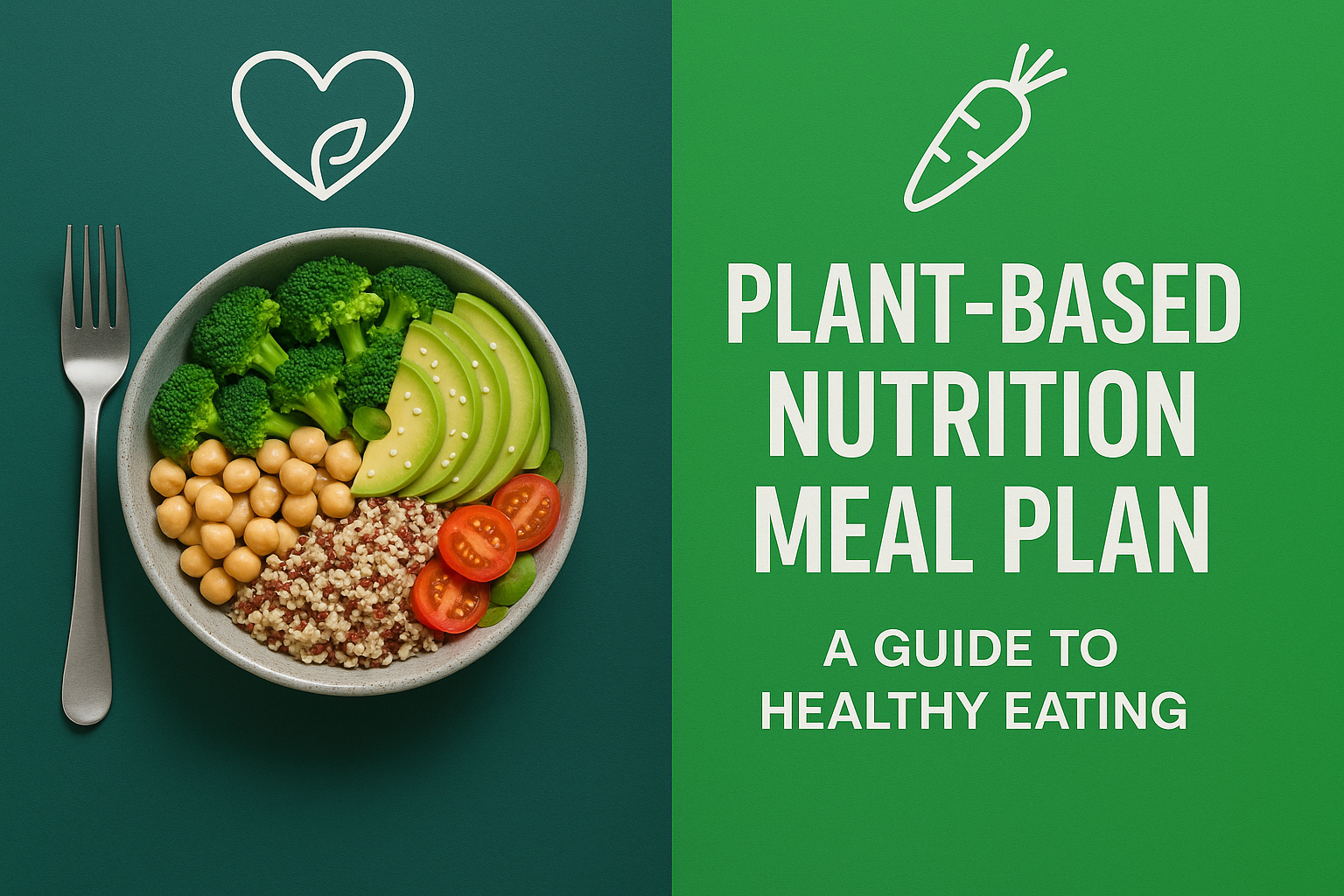
Despite these advantages, some common misconceptions persist. A frequent concern is that a plant-based diet may not provide enough protein, iron, or other essential nutrients. However, with thoughtful meal planning, it’s entirely possible to meet all your nutritional needs through plant sources alone. Beans, lentils, tofu, quinoa, nuts, and even vegetables like broccoli and spinach are excellent sources of protein and other important nutrients.
If you’re curious about what living plant-based looks like day-to-day, you’re in the right place. A well-crafted plant-based meal plan is satisfying, diverse, and flavorful—offering a colorful variety of dishes that nourish your body and delight your taste buds. Over the next sections, you’ll discover practical tips, delicious recipes, and guidance on how to transition smoothly to a plant-based lifestyle, ensuring that your meals are both enjoyable and nutritionally balanced. Whether you’re a newcomer or looking to refine your existing habits, this guide will help you make the most of plant-based nutrition.Embracing a plant-based meal plan starts with understanding its foundational principles. At its core, plant-based eating emphasizes a diverse array of whole foods, including fruits, vegetables, legumes, whole grains, nuts, and seeds. This variety not only keeps meals exciting but also ensures you’re getting a broad spectrum of essential nutrients. Striking a balance between macronutrients—carbohydrates, proteins, and healthy fats—and micronutrients like vitamins and minerals is crucial for both satiety and long-term health. When planning your meals, focus on incorporating filling fiber-rich foods, healthy fats from sources like avocados and nuts, and plant-based proteins to keep you satisfied and energized throughout the day.
Key nutrients deserve special attention in a plant-based diet. Protein, for example, is abundant in lentils, beans, tofu, tempeh, quinoa, and nuts. Combining different plant sources, such as rice and beans, helps provide all essential amino acids for a complete protein profile. For minerals like iron and calcium, choose leafy greens, fortified plant milks, seeds, and legumes. Vitamin B12, which is not naturally present in plant foods, can be obtained from fortified foods or supplements. Omega-3 fatty acids are accessible through flaxseeds, chia seeds, walnuts, and algae-based supplements. Enhancing nutrient absorption is also important—for instance, pairing iron-rich foods with vitamin C-rich fruits or vegetables boosts iron uptake.
To put these principles into practice, try a sample 7-day meal plan featuring breakfasts like overnight oats with berries, lunches such as lentil salads or quinoa bowls, and dinners including vegetable stir-fries, chili, or pasta with hearty tomato sauce. Incorporate simple snacks like hummus with veggies, fruit, or roasted chickpeas. Opt for seasonal produce and pantry staples to keep meals budget-friendly, and batch-cook grains and legumes ahead of time for quick assembly during busy weeks.
Common challenges may arise, such as finding plant-based options while eating out, managing cravings for familiar foods, or navigating social gatherings. Planning ahead, researching restaurant menus, and bringing your own dishes to events can help. Gradually transitioning from animal-based diets and involving family in meal prep can ease the adjustment, while respecting cultural preferences by finding plant-based versions of traditional dishes.
Plenty of resources are available to make plant-based eating easier. Explore cookbooks, blogs, and mobile apps for inspiration, and use grocery lists and pantry checklists to streamline shopping. Meal planning templates and food tracking tools can help you stay organized, making your plant-based journey enjoyable and sustainable.Adopting a plant-based lifestyle is more than a dietary choice—it’s a transformative shift that can enhance your health, invigorate your daily life, and contribute positively to the world around you. As we’ve explored, plant-based nutrition offers a host of benefits, from lowering the risk of chronic diseases and improving energy levels to supporting a healthier environment. Many individuals find that after making the switch, they experience clearer skin, improved digestion, and a renewed sense of vitality. Beyond physical health, embracing plant-focused meals often fosters a deeper connection to food, encouraging mindful eating and creativity in the kitchen.
It’s important to remember that transitioning to a plant-based diet is not about achieving perfection overnight. Small, consistent steps—such as incorporating more vegetables into your meals, experimenting with new plant-based recipes, or simply swapping out one animal-based product at a time—can yield significant, lasting results. This gentle approach allows you to discover what works best for your lifestyle and makes the journey enjoyable rather than overwhelming. Many people who have made the shift report that gradual changes helped them develop sustainable habits and led to greater long-term success.
The stories of those who have embraced plant-based living are both inspiring and motivating. Some have reversed chronic health conditions, while others have found newfound passion for cooking and wellness. For instance, one reader shared how introducing more whole grains and legumes into her diet dramatically improved her energy and mood. Another reader credits his plant-based transition for helping him achieve his fitness goals and deepen his connection with family through shared meals. These testimonials illustrate that, while each journey is unique, the rewards are both tangible and deeply personal.
If you’re ready to explore the benefits of plant-based living, take the first step—no matter how small—and remember that the journey is just as important as the destination. We invite you to share your experiences, ask questions, and connect with others who are on a similar path. Your feedback and stories not only enrich this community but also inspire others to begin their own plant-based journey. The possibilities are endless, and your next meal could be the start of something truly transformative.