# The Ultimate Guide to Nutrition for Healthy Skin and Hair
Have you ever wondered why some people seem to have a natural, radiant glow, while others struggle with dull skin, brittle nails, or lifeless hair despite using all the latest beauty products? Recent studies reveal that what you eat can impact your appearance as much—if not more—than your skincare routine. In fact, research from the American Academy of Dermatology suggests that up to 80% of your skin’s condition is influenced by your diet and lifestyle choices. Imagine that: the journey to glowing skin and vibrant hair might begin not at the cosmetics counter, but right on your plate.
Many of us have faced the frustration of waking up to a breakout before an important event, or noticing our hair thinning no matter how many expensive shampoos we try. I remember a time when I cycled through countless creams and serums, hoping for that elusive healthy complexion. Yet, it wasn’t until I started paying attention to what I was fueling my body with—swapping processed snacks for fresh fruits, incorporating leafy greens and healthy fats—that I truly noticed a difference. My skin appeared clearer, my hair shinier, and I felt more energized overall. It was a revelation: beauty wasn’t just about what I put on my body, but what I put in it.
This realization underscores a powerful truth: beauty really does start from within. The nutrients you consume are the building blocks for healthy skin, strong hair, and resilient nails. Vitamins, minerals, and antioxidants work behind the scenes, supporting your body’s natural processes and helping you look your best. Instead of seeking quick fixes or miracle products, focusing on nutrition can provide lasting, visible results. By nourishing yourself from the inside out, you’re investing in a kind of beauty that endures—a glow that can’t be washed off or covered up. So, before reaching for another bottle of lotion or a trendy supplement, consider what’s on your plate. The secret to true beauty may be closer, and tastier, than you think.When it comes to achieving radiant skin and healthy hair, many people instinctively reach for the latest creams, serums, or shampoos. While topical treatments have their place, true beauty starts from within—what you eat plays a fundamental role in the look and feel of your skin and hair. The body requires a complex array of nutrients to continuously repair, renew, and protect these tissues. Vitamins, minerals, healthy fats, and proteins found in our daily meals directly impact everything from skin elasticity and hydration to hair strength and shine.
One of the most common misconceptions about skin and hair care is that external products alone are enough to address concerns like dryness, dullness, breakage, or even premature aging. In reality, without the right nutritional building blocks, even the most expensive skincare routines or salon treatments may fall short. For example, a deficiency in vitamins such as A, C, or biotin can lead to brittle hair and lackluster skin, regardless of what you apply topically. Similarly, dehydration or inadequate intake of healthy fats can leave the skin looking tired and the hair prone to split ends.
Fortunately, supporting your skin and hair health through nutrition is both effective and accessible. By understanding which nutrients play a key role and learning how to incorporate them into your daily meals, you can make a significant difference in your overall appearance and well-being. This article will guide you through the essential nutrients for vibrant skin and strong hair, highlight the best foods to include in your diet, and provide practical tips for everyday eating. Additionally, you’ll find simple meal ideas designed to nourish you from the inside out. Whether you’re looking to enhance your natural glow or address specific concerns, embracing a holistic approach that starts with your plate is a smart and sustainable way to achieve lasting beauty.Healthy skin and hair are a reflection of what we feed our bodies, and the right nutrients play a fundamental role in keeping them vibrant and resilient. Protein stands at the foundation, as it supplies the essential building blocks—amino acids—that support the body’s constant renewal of skin cells and hair growth. Without sufficient protein, both skin and hair can become weak, brittle, and slow to repair or regenerate.
Vitamins are equally vital in maintaining skin and hair health. Vitamin A is crucial for skin turnover, helping to shed old skin cells and promote the growth of new, healthy ones. Vitamin C is well known for its role in collagen synthesis—a protein that keeps skin firm and youthful—and acts as a powerful antioxidant, neutralizing free radicals that can cause premature aging. Vitamin E further protects the skin from oxidative stress, reducing damage caused by environmental factors like UV rays and pollution. For hair, Vitamin D is essential, as it supports healthy hair follicles, which are the roots from which hair grows. The B vitamins, especially biotin, play a central role in energy metabolism and help strengthen the hair shaft, preventing breakage and thinning.
Minerals also make a significant impact. Zinc aids in wound healing, regulates oil production in the skin, and is vital for hair tissue growth and repair. Selenium offers protective benefits for both skin and scalp, shielding them from environmental damage and supporting the immune system’s functions. Iron is critical for oxygenating tissues; a deficiency in this mineral is a common cause of hair loss, as hair follicles struggle to receive enough oxygenated blood to support growth.
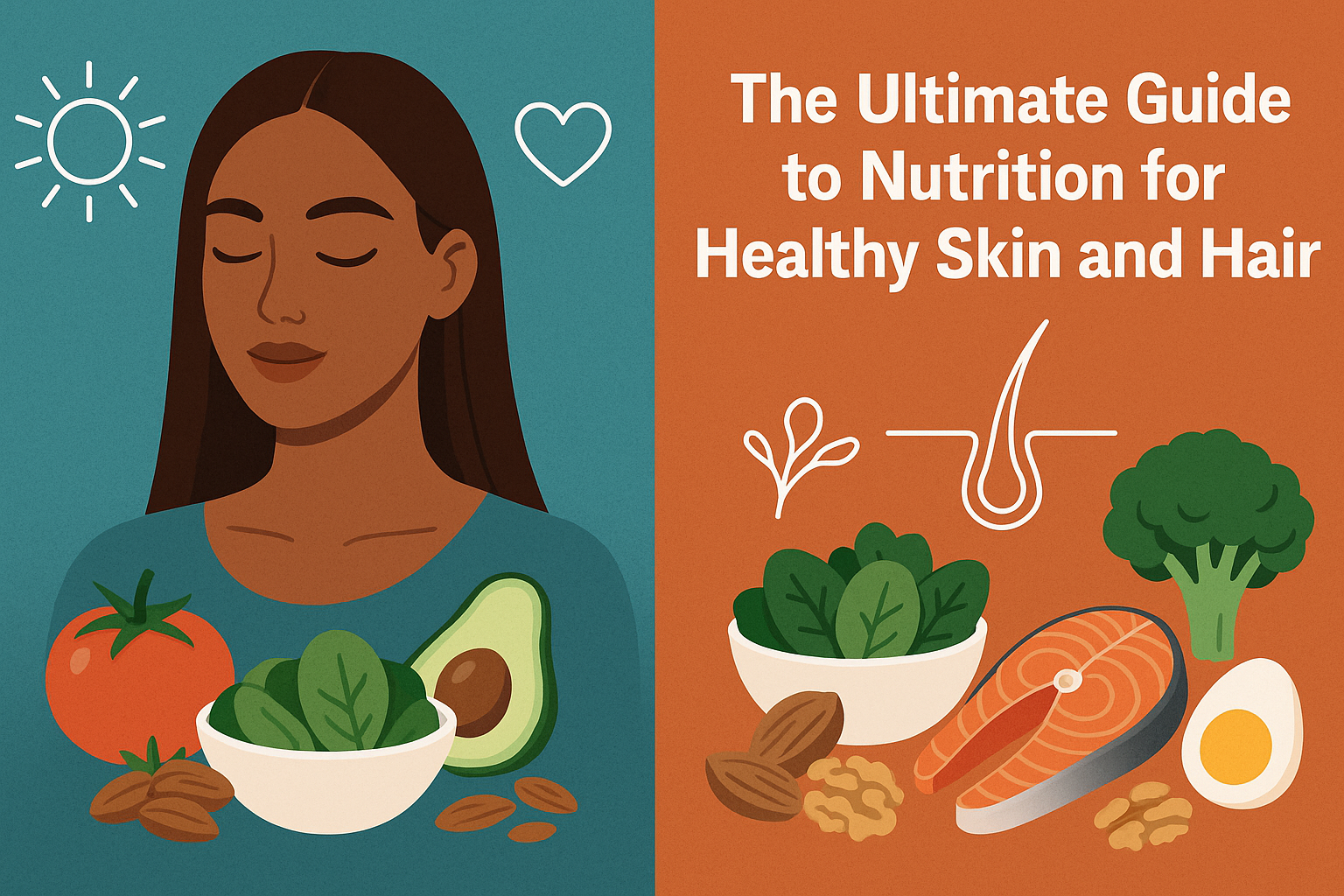
Essential fatty acids, particularly omega-3 and omega-6, contribute to skin hydration and help control inflammation. They keep cell membranes healthy, which locks in moisture and gives skin its soft, supple feel, while also reducing redness and irritation. Lastly, antioxidants in general—found abundantly in fruits, vegetables, nuts, and seeds—are indispensable in fighting the signs of aging and protecting skin and hair from the daily barrage of environmental stressors. Together, these nutrients form the backbone of a diet that nurtures glowing skin and strong, lustrous hair.Achieving radiant skin and strong, healthy hair begins with nourishing your body from within. Consuming a balanced variety of nutrient-rich foods can make a visible difference in your complexion and hair health. Fruits and vegetables are foundational to this process, offering a spectrum of vitamins, antioxidants, and minerals essential for cellular repair and renewal. Berries, for instance, are loaded with vitamin C and antioxidants that help combat free radical damage and support collagen production, which is crucial for supple skin. Oranges, another excellent source of vitamin C, not only brighten the skin but also enhance its elasticity. Leafy greens like spinach deliver iron, folate, and vitamin E, all of which contribute to healthy hair growth and a vibrant glow. Sweet potatoes provide beta-carotene, which the body converts to vitamin A, helping to promote smooth, glowing skin by supporting cell turnover.
Incorporating healthy fats into your diet is equally important for maintaining a luminous complexion and lustrous hair. Fatty fish like salmon supply omega-3 fatty acids, which help keep the skin moisturized and reduce inflammation that can cause redness or acne. Walnuts and flaxseeds also provide plant-based omega-3s, as well as biotin and vitamin E, which can help strengthen hair follicles and protect the skin’s natural barrier. Avocados, rich in healthy monounsaturated fats and vitamin E, further support hydration and elasticity in both skin and hair.
Lean proteins serve as the building blocks for skin and hair structure. Foods such as chicken, eggs, and legumes supply essential amino acids required for the body to produce keratin and collagen—key proteins that keep hair strong and skin firm. Eggs, in particular, are a rich source of biotin, a B vitamin that plays a pivotal role in hair health and growth.
Whole grains, including oats, quinoa, and brown rice, are packed with fiber, B vitamins, and minerals like zinc and selenium. These nutrients help regulate oil production, support healthy cell turnover, and may reduce the risk of skin conditions such as acne or dryness. Finally, proper hydration cannot be overlooked. Drinking enough water and sipping on herbal teas helps flush out toxins, keeps the skin plump, and ensures that every cell in your body is functioning optimally. Together, these foods form a comprehensive dietary approach to achieving naturally glowing skin and resilient, shiny hair.Maintaining healthy skin involves not only adopting beneficial habits but also understanding which foods and lifestyle choices can negatively impact your complexion. Processed foods and refined sugars are among the primary culprits when it comes to triggering skin issues. These products often contain high amounts of artificial additives, unhealthy fats, and simple carbohydrates, which can spike blood sugar levels, leading to increased inflammation and the overproduction of skin oils. This environment makes it easier for acne and other inflammatory skin conditions to take hold. Furthermore, diets high in processed snacks, sugary beverages, and desserts have been linked to accelerated skin aging, as they may break down collagen and elastin, the proteins responsible for maintaining skin firmness and elasticity.
Excessive consumption of dairy products or greasy foods can also disrupt skin health. For some individuals, dairy—especially milk and cheese—may exacerbate acne due to the presence of hormones and bioactive molecules that can stimulate oil glands and inflammation. Greasy foods, often high in unhealthy saturated and trans fats, not only contribute to poor cardiovascular health but can also clog pores when their oils are transferred from the hands to the face, worsening breakouts and leading to a dull complexion.
Alcohol and caffeine are two common elements in many diets that can have dehydrating effects on the skin. Frequent alcohol consumption can deplete the body of essential vitamins and minerals necessary for skin repair and maintenance, causing dryness, redness, and puffiness. Over time, alcohol can also dilate blood vessels, contributing to the development of spider veins and a ruddy skin tone. Similarly, excessive caffeine intake, especially from sugary or creamy coffee beverages, may draw moisture away from the skin, leaving it looking tired and lackluster.
Smoking is another significant factor with dire consequences for skin health. The chemicals in tobacco smoke constrict blood vessels and reduce blood flow, depriving the skin of oxygen and essential nutrients. This leads to premature aging, characterized by wrinkles, loss of elasticity, and a dull, sallow appearance. Smoking also impairs wound healing and increases the risk of various skin diseases. By becoming aware of these harmful foods and habits, individuals can make more informed choices to protect and enhance their skin’s natural radiance.Incorporating nutrition that supports healthy skin and hair into your daily routine is easier than it may seem, especially with a bit of planning and mindful choices. Start by embracing meal planning and prepping as a regular habit. Setting aside time each week to plan balanced meals ensures your diet consistently includes a variety of nutrient-rich foods, such as leafy greens, colorful fruits and vegetables, lean proteins, whole grains, nuts, and seeds. Prepping ingredients or entire meals in advance can help you avoid last-minute, less nutritious options and makes it simpler to include skin- and hair-boosting foods like salmon, avocados, sweet potatoes, and berries into your diet.
While most people can get the nutrients they need from food, supplementation can be valuable in certain cases. If you have dietary restrictions, medical conditions, or difficulty absorbing specific nutrients, supplements like biotin, vitamin D, or omega-3 fatty acids may be beneficial. Before starting any supplement, consult a healthcare professional to determine what you truly need and to avoid excessive intake, which can sometimes do more harm than good. Look for reputable brands that are third-party tested, and always check the dosage to ensure it aligns with recommended daily values.
When grocery shopping, sharpen your label-reading skills to make healthier choices. Focus on whole, minimally processed foods, and scan ingredient lists for hidden sugars, unhealthy fats, and artificial additives that can negatively affect skin and hair. Choose products rich in vitamins A, C, E, zinc, and healthy fats, and opt for items with short, recognizable ingredient lists. Shopping the perimeter of the store, where fresh produce, lean proteins, and dairy are usually found, can guide you toward more nourishing options.
Finally, remember that nutrition works best when paired with other healthy lifestyle habits. Prioritize adequate sleep, as the body repairs and regenerates skin and hair tissues overnight. Practice stress management techniques such as meditation, exercise, or deep breathing, since chronic stress can negatively impact both skin and hair health. By combining mindful nutrition with restorative sleep and stress reduction, you create a holistic foundation for lasting beauty and wellness from the inside out.A well-structured weekly meal plan can significantly support the health of your skin and hair by providing essential nutrients such as antioxidants, healthy fats, proteins, and vitamins. Here is a sample meal plan designed with these goals in mind.
For breakfast, start your week with a bowl of overnight oats topped with mixed berries, chia seeds, and a sprinkle of walnuts. This combination is rich in omega-3 fatty acids, vitamin C, and antioxidants, all of which contribute to radiant skin and strong hair. Throughout the week, alternate with options like Greek yogurt parfait with kiwi and pumpkin seeds, avocado toast on whole-grain bread with poached eggs, or a smoothie made from spinach, banana, almond milk, and flaxseeds. Each of these breakfasts delivers protein, biotin, and healthy fats, essential for hair growth and skin repair.
Lunches should focus on lean proteins, colorful vegetables, and whole grains. One day, enjoy grilled salmon over a quinoa salad with cherry tomatoes, cucumbers, and a lemon-olive oil dressing. Another day, opt for a chickpea and spinach stir-fry with brown rice or a turkey and spinach wrap with hummus and sliced bell peppers. Include a side of carrot sticks or a small serving of mixed nuts for added crunch and nutrients. Rotating legumes, fish, and poultry ensures a range of amino acids, zinc, and iron, which are all important for maintaining healthy skin and hair.
For dinner, prioritize meals that combine lean proteins with a variety of vegetables. Try baked chicken breast with sweet potato mash and steamed broccoli, or tofu stir-fried with bok choy, mushrooms, and bell peppers served over wild rice. Another night, prepare lentil soup with kale and a whole-grain roll, or grilled shrimp with a spinach and avocado salad. These dinners are packed with vitamins A, E, and C, as well as minerals like selenium and magnesium, all of which help combat oxidative stress and promote cell renewal.
Snacks throughout the week should be nutrient-dense yet satisfying. Choose options like sliced apples with almond butter, homemade trail mix with seeds and dried fruit, edamame, or carrot and cucumber sticks with guacamole. These snacks provide steady energy and a steady supply of skin- and hair-supporting nutrients such as vitamin E, zinc, and plant-based proteins. By following such a varied and nutrient-rich meal plan, you can nourish your body from within, promoting glowing skin and strong, healthy hair.As we wrap up our discussion, it’s clear that nutrition holds remarkable power in shaping our beauty from within. Throughout this talk, we’ve explored how the foods we choose can directly impact the health and appearance of our skin and hair, emphasizing the vital roles of hydration, balanced meals, and essential nutrients. By prioritizing a diet rich in vitamins, minerals, antioxidants, and healthy fats, you’re not just supporting your overall well-being—you’re actively investing in a radiant complexion and strong, lustrous hair.
Remember, transformation doesn’t have to happen overnight. Small, consistent changes to your daily habits can lead to impressive, long-lasting results. Start by incorporating one or two nutrient-dense foods into your routine or swapping out processed snacks for healthier options. Gradually, these minor adjustments will accumulate, making a noticeable difference in how you look and feel. Keep in mind that patience is key; the benefits of nourishing your body from within become more evident with time and consistency.
To truly appreciate your progress, consider tracking your journey. Take note of changes in your skin’s texture, clarity, and hydration. Observe how your hair responds—does it feel stronger, shinier, or more resilient? You might even take periodic photos or keep a journal to document improvements. Reflecting on these positive changes can motivate you to stay committed and celebrate your achievements along the way.
Ultimately, the journey to enhanced beauty is as much about self-care as it is about nutrition. By making mindful choices and valuing what you put into your body, you’re setting yourself up for a glow that radiates from the inside out. So, let today be the day you take that first step. Feed your beauty from the inside out, and watch as your natural vibrance shines through—proof that true beauty begins with what you nourish yourself with every single day.