PlantBased Nutrition Meal Plan: Your Guide to Healthy Eating
Did you know that in just the past five years, the number of people adopting plant-based diets has skyrocketed by over 300%? Grocery store shelves now brim with plant-powered options, and even fast-food chains are rolling out veggie burgers and dairy-free shakes. It’s not just a passing trend—there’s a real movement towards eating more plants, and for good reason. Take the story of Mark, a father of two who struggled for years with low energy and high cholesterol. After switching to a plant-based meal plan, he not only shed 20 pounds but also reported feeling more alert and less reliant on medication. “I never realized food could make such a difference,” he says, echoing the experience of thousands who have made similar changes.
But maybe you’re still skeptical. You might wonder: Can eating more plants really make me feel better? Will I get enough protein? Isn’t a plant-based diet expensive or time-consuming? If you’ve ever asked yourself these questions, you’re not alone. Many people have concerns about taste, convenience, and nutrition when it comes to shifting their meals away from animal products. Yet, science and real-life stories alike keep pointing to the same conclusion: incorporating more plant-based foods can lead to improved heart health, more stable energy levels, and even better digestion. What’s more, the variety and flavor available in today’s plant-based meals might surprise you—gone are the days of bland salads and boring tofu.
So, what’s holding you back from giving it a try? Whether your goal is to boost your health, help the environment, or simply explore new flavors, a plant-based meal plan could be the answer you’ve been looking for. In the next few minutes, we’ll break down exactly how you can make the shift—without sacrificing taste or spending hours in the kitchen. If you’re curious about how eating more plants can fit into your busy life, stick around. You might just discover that transforming your meals is easier—and more rewarding—than you ever imagined.A plant-based nutrition meal plan centers on foods that come primarily from plants, including vegetables, fruits, whole grains, legumes, nuts, and seeds. While the term “plant-based” is often used interchangeably with vegan or vegetarian, there are important distinctions. A vegan diet excludes all animal products, including dairy and eggs, while vegetarians avoid meat but often still consume dairy and eggs. In contrast, a plant-based meal plan prioritizes plant foods but doesn’t necessarily require the complete exclusion of animal products. Instead, it encourages making plant foods the foundation of your meals, allowing for flexibility and personalization to individual needs and preferences.
There are several common misconceptions about plant-based eating. Many people believe it means eating only salads or that it lacks sufficient protein, but this isn’t the case. Plant-based diets can be rich, varied, and satisfying, offering plenty of protein from sources such as beans, lentils, tofu, quinoa, and nuts. In fact, a well-planned plant-based nutrition plan provides all the essential nutrients your body needs for optimal health.
The core benefits of adopting a plant-based meal plan are well-supported by research. Plant-based diets are associated with improved heart health, as they tend to be lower in saturated fat and cholesterol. They also promote weight management thanks to the high fiber content, which helps keep you full and satisfied. Many people report increased energy levels when focusing on whole, nutrient-dense plant foods. Furthermore, choosing plant-based meals can significantly reduce your environmental impact, as plant foods generally require fewer resources to produce than animal products.
Plant-based nutrition is suitable for almost everyone, from athletes seeking to support performance and recovery, to busy professionals looking for convenient, grab-and-go meals. Families can benefit from the increased intake of fruits and vegetables, and seniors may find plant-based meals easier to digest and helpful for managing chronic conditions.
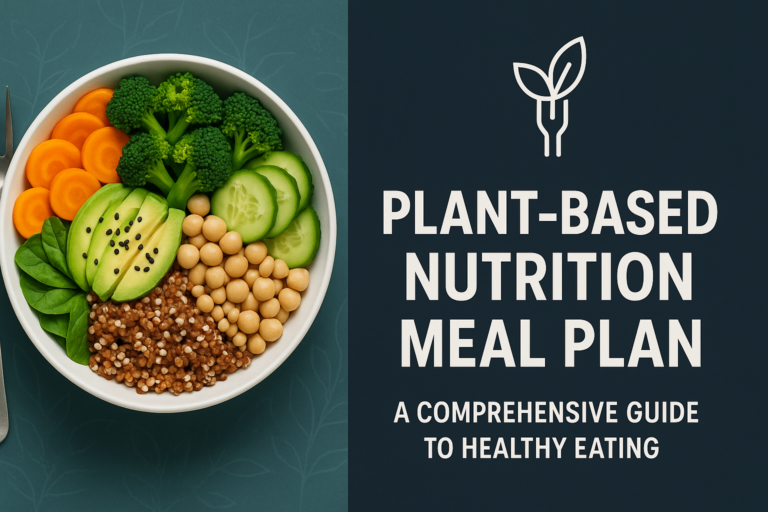
A typical day on a plant-based meal plan might start with a hearty bowl of oatmeal topped with berries and nuts for breakfast. Lunch could feature a colorful grain bowl with quinoa, roasted vegetables, chickpeas, and a tahini dressing. For dinner, a stir-fry with tofu, broccoli, bell peppers, and brown rice provides a filling end to the day. Snacks might include hummus with carrot sticks or a smoothie made with leafy greens and fruit. This variety ensures that a plant-based diet can be both delicious and satisfying.When adopting a plant-based meal plan, it’s crucial to understand the nutritional foundations that support a healthy lifestyle. One of the most common questions revolves around protein, which is essential for muscle repair, immune function, and overall bodily health. Contrary to popular belief, a well-planned plant-based diet can easily meet protein needs through foods such as lentils, chickpeas, tofu, tempeh, edamame, quinoa, and a variety of beans. Including a mix of these sources throughout the day provides all the essential amino acids your body requires.
Iron is another key nutrient to consider, particularly because the form of iron found in plants (non-heme iron) is less readily absorbed than the heme iron in animal products. To enhance absorption, pair iron-rich foods like spinach, lentils, pumpkin seeds, and fortified cereals with vitamin C-rich options such as citrus fruits, bell peppers, or strawberries. Calcium is vital for bone health, and while dairy is a traditional source, many plant-based foods also offer ample calcium. Incorporate leafy greens (kale, bok choy, collard greens), fortified plant milks, almonds, and tofu set with calcium sulfate to ensure adequate intake.
Omega-3 fatty acids, important for brain and heart health, are most commonly associated with fish but are also available in plant-based forms. Flaxseeds, chia seeds, walnuts, and hemp seeds are excellent sources of alpha-linolenic acid (ALA), a plant-based omega-3. For vitamin B12, which is not naturally present in plant foods, it’s recommended to consume fortified foods such as plant milks, breakfast cereals, or take a reliable supplement.
Choosing whole foods over processed options is fundamental for maximizing nutrition and minimizing added sugars, unhealthy fats, and sodium. Whole grains (brown rice, oats, barley), legumes, nuts, seeds, fruits, and vegetables should form the backbone of your meals. Embracing variety ensures you receive a wide spectrum of vitamins, minerals, and phytochemicals, supporting not only physical health but also keeping meals interesting and satisfying. By focusing on diverse, nutrient-dense whole plant foods and being mindful of key nutrients, you can build a balanced, enjoyable, and sustainable plant-based meal plan that meets all your nutritional needs.Transitioning to a gluten-free lifestyle begins with thoughtful meal planning, which can make the change smoother and more sustainable. Start by conducting a thorough pantry clean-out, inspecting ingredient labels for hidden gluten sources such as wheat, barley, rye, and malt. Discard or donate any products containing gluten, and take this opportunity to reorganize your shelves with gluten-free staples like quinoa, rice, gluten-free oats, nut flours, and legumes. When shopping, always check labels for gluten-free certifications, and try to shop the perimeter of the store—where fresh fruits, vegetables, meats, and dairy are usually found. For packaged goods, familiarize yourself with safe brands and consider carrying a list of gluten-containing ingredients to reference while shopping. Finding suitable replacements for your favorite foods is key; swap regular pasta for brown rice or lentil pasta, and use corn tortillas instead of flour tortillas.
To help you get started, a sample 7-day meal plan can provide structure and inspiration. For breakfast, options might include smoothie bowls, scrambled eggs with spinach, or gluten-free overnight oats. Lunches may feature grilled chicken and vegetable quinoa bowls, chickpea salads, or gluten-free wraps. Dinners could range from baked salmon with roasted sweet potatoes to stir-fried tofu and vegetables served over rice. For snacks, keep handy items like Greek yogurt, fruit, mixed nuts, and gluten-free granola bars. This framework ensures variety while meeting nutritional needs.
Meal prepping is a lifesaver, especially for those with busy schedules. Dedicate a few hours each week to batch-cook grains, roast vegetables, and pre-portion proteins. Store meals in clear containers for easy grab-and-go lunches or dinners. Utilize slow cookers or instant pots for hands-off meal preparation, and freeze extra portions to have nutritious meals available on hectic days.
Dining out, attending social events, or traveling can pose challenges, but with a bit of planning, you can maintain your gluten-free diet. Research restaurant menus in advance, communicate your dietary needs to staff, and don’t hesitate to ask about cross-contamination. For social gatherings, consider bringing a gluten-free dish to share. When traveling, pack portable snacks like gluten-free crackers, nut butter packets, and dried fruit to avoid being caught without safe options. With these strategies, gluten-free meal planning becomes manageable and even enjoyable.Transitioning to a plant-based diet can be incredibly rewarding, but it also comes with its share of challenges. One of the most common hurdles individuals face is managing cravings for familiar, animal-based foods, especially in the early stages. These cravings are natural, often tied to emotional comfort and routine. To overcome them, consider experimenting with plant-based versions of your favorite dishes, using spices and herbs to mimic familiar flavors. Gradually introducing new foods can help retrain your palate, making plant-based options more appealing over time.
Family resistance is another obstacle, particularly if not everyone in your household is eager to embrace dietary changes. Open communication is key—discuss your reasons for adopting a plant-based diet and invite family members to participate in meal planning or cooking. Involving loved ones in trying new recipes and exploring plant-based alternatives can foster curiosity and reduce resistance. Remember, small steps—like one plant-based meal a day—can make the transition smoother for everyone.
Ensuring adequate protein and micronutrient intake is essential for maintaining overall health on a plant-based diet. Focus on including a variety of protein-rich foods such as lentils, beans, tofu, tempeh, and quinoa in your meals. Don’t overlook micronutrients like vitamin B12, iron, calcium, and omega-3 fatty acids, which can be sourced from fortified foods, leafy greens, nuts, seeds, and supplements if necessary. Planning balanced meals and considering periodic blood tests can help you stay on top of your nutritional needs.
Budget concerns are also common, as specialty plant-based items can sometimes be more expensive. However, many staple ingredients—like beans, rice, oats, and seasonal produce—are affordable and nutritious. Shopping in bulk, planning meals ahead of time, and making use of local farmer’s markets can further stretch your grocery budget while supporting a healthy plant-based diet.
Finally, reading labels carefully is crucial to avoid hidden animal-derived ingredients that may be present in processed foods. Familiarize yourself with common non-vegan additives such as gelatin, casein, whey, and certain food colorings. Apps and online resources can assist you in identifying these ingredients, making it easier to select truly plant-based products. By addressing these challenges with practical strategies, you can make your plant-based journey more successful and enjoyable.Unlocking maximum flavor and satisfaction in every meal is key to maintaining an enjoyable and sustainable healthy eating routine. One of the most effective ways to elevate your dishes is by harnessing the power of herbs, spices, and umami-rich ingredients. Fresh herbs like basil, cilantro, and parsley add brightness and depth, while spices such as cumin, smoked paprika, and turmeric contribute warmth and complexity. Don’t underestimate umami boosters—ingredients like mushrooms, sun-dried tomatoes, soy sauce, and nutritional yeast can transform simple dishes with savory notes that make meals feel more indulgent. Experimenting with different cooking techniques—such as roasting to caramelize natural sugars, grilling for smoky flavors, or sautéing to develop a rich base—also enhances taste without relying on excess salt or fat.
Having the right tools and staple ingredients at home streamlines the cooking process and encourages creativity. A sharp chef’s knife, quality nonstick or cast-iron skillet, blender, and baking sheet are foundational tools for preparing a variety of healthy meals. Stock your pantry with whole grains (like quinoa, brown rice, or oats), canned beans, nuts, seeds, olive oil, and vinegars, as well as frozen vegetables for convenience. These essentials allow you to whip up delicious, balanced dishes even on busy days.
For quick recipes and snacks, simplicity is your best friend. Try Greek yogurt with berries and a drizzle of honey, hummus with sliced vegetables, or a whole-grain wrap filled with lean protein and crunchy greens. Overnight oats, grain bowls with roasted veggies and legumes, or smoothies packed with leafy greens, fruit, and nut butter offer fast, nourishing options. When you crave something savory, popcorn with nutritional yeast or roasted chickpeas provide satisfying crunch and flavor.
Achieving balance in taste, texture, and satiety is crucial for both enjoyment and nutrition. Aim for a mix of flavors—sweet, salty, sour, bitter, and umami—in each meal, and combine different textures like creamy, crunchy, and chewy to keep things interesting. Pair fiber-rich carbohydrates with lean proteins and healthy fats to promote fullness and stabilize energy levels. By focusing on these strategies, you can create meals that not only nourish your body but also delight your senses and keep you satisfied throughout the day.Switching to a plant-based lifestyle has profoundly changed the lives of countless individuals around the world, offering compelling stories of transformation that highlight both physical and mental well-being. Take, for example, the journey of Maria, a 40-year-old mother who struggled with high cholesterol and chronic fatigue. After adopting a predominantly plant-based diet, Maria reported significant improvements in her energy levels, sleep quality, and overall mood. Her cholesterol levels dropped to within a healthy range within six months, and she found herself relying less on medication. Stories like Maria’s are echoed by many others who have experienced similar benefits, from weight loss and improved digestion to reduced symptoms of chronic conditions like type 2 diabetes and hypertension.
These personal accounts are supported by the expertise of healthcare professionals. Registered dietitian Lisa Andrews, RD, says, “A well-balanced plant-based diet is rich in fiber, antioxidants, and phytonutrients, which can lower inflammation and reduce the risk of chronic diseases.” Dr. Michael Greger, a renowned physician and author, emphasizes, “The evidence continues to mount that plant-based nutrition can not only prevent but even reverse some of the leading causes of death.” Such endorsements from experts reinforce the idea that plant-based eating is not just a trend, but a science-backed approach to health.
Scientific research provides further validation. A landmark study published in the Journal of the American Heart Association found that individuals who followed a plant-based diet had a 16% lower risk of cardiovascular disease and a 32% lower risk of dying from it, compared to those who consumed diets high in animal products. Other research has shown that plant-based diets can help manage blood sugar levels, support healthy weight loss, and even promote a more diverse and resilient gut microbiome. These findings are echoed by leading health organizations, including the American Dietetic Association and the World Health Organization, which both recognize plant-based diets as healthful and nutritionally adequate for people at all stages of life.
Together, these real-life success stories, expert opinions, and robust scientific findings create a compelling case for exploring plant-based nutrition as a powerful tool for improving long-term health and vitality. Whether you’re motivated by personal health, environmental concerns, or ethical considerations, the evidence suggests that making the switch can yield transformative benefits.As we come to the end of this plant-based journey, let’s revisit the main benefits and key takeaways. Embracing a plant-based diet isn’t just about changing what’s on your plate—it’s about making a positive impact on your health, your environment, and your overall well-being. By focusing on whole, nutrient-rich foods like fruits, vegetables, grains, legumes, nuts, and seeds, you’re giving your body the fuel it needs to thrive. Studies consistently show that plant-based diets can lower your risk of chronic diseases, support a healthy weight, boost energy, and even contribute to a happier mood. Plus, every plant-based meal you enjoy helps reduce your carbon footprint and supports a more sustainable future for our planet.
It’s important to remember that transitioning to a plant-based lifestyle is a personal journey, not a race. You don’t have to overhaul your entire diet overnight. Start small—maybe swap out one meal a day, or introduce a new plant-based recipe each week. Celebrate every step forward, no matter how minor it may seem. Progress happens gradually, and it’s the consistent, mindful changes that truly add up over time.
If you’re ready to take the first step, why not try one plant-based meal today? Pick a recipe that excites you, or simply build a colorful salad or grain bowl with your favorite ingredients. If you’re looking for a little more guidance, consider downloading a free plant-based meal plan to help you get started. Having a plan in place can make the process feel less overwhelming and more enjoyable.
Ultimately, the choice to add more plant-based foods to your diet is a powerful act of self-care. Each bite is an opportunity to nourish your body, protect the planet, and discover delicious flavors you might never have tried before. So, are you ready to feel your best, one bite at a time? Your plant-based journey starts today—embrace it with curiosity, kindness, and confidence.