PlantBased Nutrition Meal Plan: Your Guide to Healthy, Delicious Eating
In recent years, the shift toward plant-based nutrition has become impossible to ignore. According to a 2022 report by The Good Food Institute, sales of plant-based foods have soared, with nearly one in four Americans now choosing to incorporate more plant-powered meals into their diets. This surge isn’t just a fleeting trend—it’s a transformative movement fueled by a blend of compelling motivations. For some, the journey begins with a simple desire to improve health. Research consistently shows that plant-based diets can lower the risk of chronic diseases like heart disease, type 2 diabetes, and certain cancers. People experience increased energy, better digestion, and even weight loss, all while enjoying an array of vibrant, flavorful foods.
But the appeal of plant-based eating stretches far beyond personal wellness. Environmental concerns play a powerful role, as more individuals recognize the impact our food choices have on the planet. Producing plant-based foods tends to require less land, water, and energy compared to animal agriculture, and it generates significantly fewer greenhouse gas emissions. For the environmentally conscious, switching to a plant-based meal plan feels like a meaningful way to contribute to a more sustainable future.
Ethical considerations are equally influential. Many people are moved by the idea of reducing harm to animals and supporting food systems that align with their values. Whether motivated by compassion for living beings or a desire for a more just food system, the ethical dimension of plant-based eating resonates deeply with new adopters.
With so many compelling reasons—better health, a healthier planet, and a more compassionate lifestyle—it’s no wonder plant-based nutrition is capturing attention everywhere from supermarket shelves to social media feeds. So, what about you? Curious how a plant-based meal plan could transform your health or help you make a positive difference in the world? As you explore the possibilities, you might just discover that adopting a plant-based diet is one of the most rewarding changes you can make for yourself and the world around you.When we talk about a plant-based nutrition meal plan, it’s important to understand what “plant-based” actually means. At its core, plant-based eating focuses on consuming foods that come mainly from plants—this includes not only fruits and vegetables, but also whole grains, legumes, nuts, and seeds. Unlike some restrictive diets, a plant-based meal plan doesn’t necessarily require you to completely cut out all animal products, but rather encourages minimizing them in favor of whole, minimally processed plant foods. It’s about making plants the star of your plate, and building your meals around these nutrient-rich foods.
There are a few common misconceptions about plant-based eating that are worth clearing up. Some people think that eating plant-based means you’re limited to salads or raw vegetables, but the reality is much broader and more delicious. Plant-based meals can be hearty stews, flavorful curries, nourishing grain bowls, and even comfort foods like pasta and chili—just prepared with a focus on plants. Another misconception is that a plant-based diet is synonymous with being vegan. While vegans avoid all animal products for ethical or environmental reasons, someone following a plant-based meal plan might still include small amounts of dairy, eggs, or meat on occasion. The emphasis is always on the quality and quantity of plant foods, not strict elimination.
Adopting a plant-based nutrition meal plan comes with a host of benefits that go beyond just what’s on your plate. Many people notice improved energy levels as their bodies receive more vitamins, minerals, and fiber from whole foods. Better digestion is another common advantage, thanks to the high fiber content in plant foods that supports a healthy gut. For those looking to manage their weight, plant-based diets are naturally lower in calories but rich in nutrients, which can make it easier to lose or maintain weight without feeling deprived. Perhaps most compelling, research has shown that eating a diet centered around plants can help prevent or even manage chronic diseases such as heart disease, diabetes, and certain cancers. By choosing a plant-based meal plan, you’re not only fueling your body with wholesome, satisfying foods, but you’re also making a positive investment in your long-term health and well-being.A well-structured plant-based meal plan begins with understanding the core building blocks of this diet: vegetables, fruits, legumes, whole grains, nuts, and seeds. These food groups form the foundation of plant-based nutrition, providing a broad spectrum of vitamins, minerals, fiber, and antioxidants. To ensure balanced nutrition, it’s important to pay special attention to specific nutrients that can be less abundant in plant-based diets, such as protein, iron, vitamin B12, omega-3 fatty acids, and calcium. Incorporating a variety of beans, lentils, tofu, tempeh, dark leafy greens, fortified plant milks, and chia or flax seeds can help cover these essential nutrients. Thoughtful meal prepping and strategic grocery shopping—like planning meals in advance and keeping a stocked pantry of staples—can streamline the process and make it easier to stick to your goals.
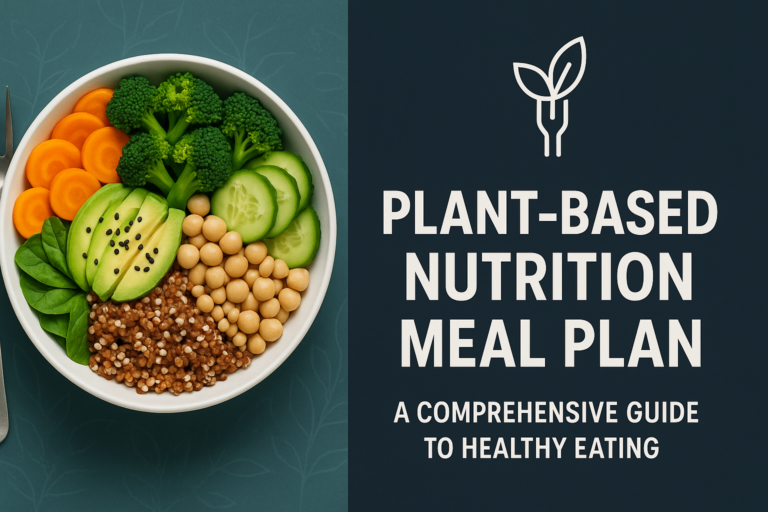
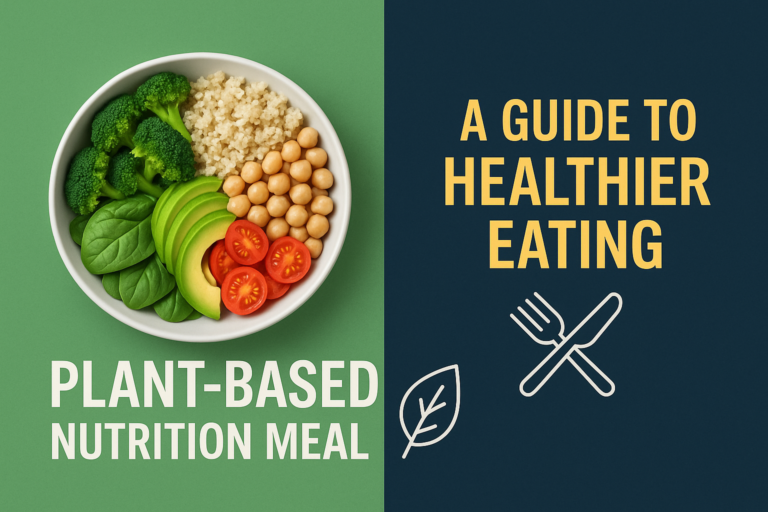
A sample one-week plant-based meal plan can help illustrate how diverse and satisfying this way of eating can be. Breakfasts might include overnight oats with berries and chia seeds, or tofu scramble with spinach and tomatoes. Lunches can range from hearty lentil soups to colorful grain bowls topped with roasted vegetables and chickpeas. For dinner, options like stir-fried tofu with brown rice, or whole-grain pasta tossed with a cashew-based sauce and broccoli, provide comfort and nutrition. Snacks such as hummus with carrot sticks, fresh fruit, or a handful of mixed nuts can help curb hunger between meals. For those craving familiar comfort foods, there are plenty of plant-based swaps: try black bean burgers, cauliflower “wings,” or a vegan chili that’s as hearty as the original.
Transitioning to a plant-based diet can come with challenges, but there are strategies to overcome them. For cravings, keeping healthy snacks on hand and experimenting with flavorful spices can make meals more satisfying. When dining out or facing social situations, reviewing menus in advance or suggesting plant-friendly restaurants can ease the process, and open communication with family members helps address any concerns or resistance. Budget and time concerns can be managed by buying in bulk, choosing seasonal produce, and preparing meals ahead of time.
Long-term success is rooted in listening to your body, making gradual changes rather than drastic overhauls, and seeking support when needed. Utilizing helpful tools like meal planning apps, plant-based cookbooks, and online communities can provide inspiration and accountability. Tracking your progress, whether through journaling or celebrating milestones, helps maintain motivation and reinforces a positive relationship with your new lifestyle.As you can see, embracing a plant-based nutrition meal plan offers a wealth of benefits for your health, the environment, and even your taste buds. Not only does it provide essential nutrients and support overall well-being, but it can also help reduce your environmental footprint and open the door to an exciting variety of flavors and recipes. The good news is that taking the first step doesn’t have to be overwhelming—making small, simple changes can set you on the path to lasting habits. Whether you’re swapping out dairy milk for oat milk in your morning coffee, trying a new veggie stir-fry for dinner, or planning a meatless Monday, you’ll quickly discover how easy and satisfying plant-based meals can be.
We encourage you to challenge yourself this week: pick one meal and make it plant-based. Whether it’s a hearty lentil soup, a colorful Buddha bowl, or a sweet berry smoothie, you might be surprised by how delicious and filling these options are. Even minor changes—like adding more leafy greens to your lunch or snacking on fruits and nuts—can make a noticeable difference over time. Remember, you don’t have to commit to an all-or-nothing approach; every plant-based choice counts and contributes to your health and the well-being of the planet.
If you’re ready to dive deeper, there are plenty of resources available to guide and inspire you on your journey. Check out our recommended reading list, explore trusted websites, or download our free Plant-Based Starter Guide below—packed with easy recipes, grocery tips, and meal planning ideas to help you succeed. No matter where you’re starting from, you have support every step of the way.
So, are you ready to nourish your body and the planet, one meal at a time? Take that first step today—your future self (and the earth) will thank you for it.