PlantBased Nutrition Meal Plan: Your Guide to Eating Healthier and Greener
Just a few years ago, walking into a restaurant and seeing a dedicated plant-based menu would have seemed almost revolutionary. Fast forward to today, and plant-based options aren’t just an afterthought—they’re often the star of the show. In fact, according to a 2023 report by the Good Food Institute, sales of plant-based foods in the United States have grown by more than 50% over the past three years, outpacing the growth of total food sales. What’s fueling this surge? Part of it is driven by compelling health research: studies consistently show that eating more plant-based foods can lower the risk of heart disease, type 2 diabetes, and certain cancers. But it’s not only about health. People are realizing that plant-based eating can be vibrant, flavorful, and deeply satisfying, far from the bland, restrictive stereotype some might imagine.
Consider the story of Mark, a lifelong meat lover who decided on a whim to try “Meatless Mondays” with his family. Within weeks, not only did he notice increased energy and better sleep, but his kids started asking for their favorite lentil tacos and veggie stir-fry even on non-Mondays. Stories like Mark’s are becoming more common, proving that incorporating more plant-based meals doesn’t mean sacrificing taste or tradition. And you don’t have to be a strict vegan or vegetarian to reap the benefits. Flexitarians—those who still eat animal products but make plants the main event—are now one of the fastest-growing groups in the food world.
This shift is about far more than labels or dietary restrictions; it’s an inclusive movement that invites everyone to the table, whether you’re seeking better health, environmental sustainability, or simply a new culinary adventure. Plant-based eating is no longer a niche trend—it’s a delicious, accessible, and exciting way to eat that is capturing the attention of people everywhere. If you’ve ever been curious about making plants a bigger part of your plate, there’s never been a better, or tastier, time to start.A plant-based nutrition meal plan centers on foods derived primarily from plants—think fruits, vegetables, grains, legumes, nuts, and seeds—while minimizing or entirely excluding animal products. It’s important to clarify that “plant-based” does not always mean “vegan” or “vegetarian.” People often believe that adopting a plant-based diet requires giving up all animal-derived foods, but there’s actually a spectrum of approaches. Some individuals choose a fully vegan lifestyle, eliminating all animal products, while others follow vegetarian, pescatarian, or flexitarian routines, which allow for occasional inclusion of animal-based foods. The beauty of a plant-based meal plan lies in its flexibility; it’s about increasing the proportion of plant foods in your diet in a way that works for your unique needs and preferences.
There are several motivations behind choosing a plant-based nutrition meal plan. For many, it starts with health—a growing body of research links higher consumption of plant foods to reduced risks of chronic diseases such as heart disease, diabetes, and certain cancers. Others are motivated by environmental concerns. Producing plant foods typically requires fewer natural resources and generates less greenhouse gas emissions compared to animal agriculture, making plant-based eating a more sustainable choice for the planet. Ethical considerations, such as animal welfare, also play a significant role for some individuals.
No matter your reason or where you fall on the spectrum, adopting a plant-based meal plan can be tailored to fit your lifestyle and goals. Throughout this guide, you’ll discover practical tips to build balanced, satisfying meals using accessible plant foods. You’ll learn how to ensure you’re meeting your nutritional needs, explore new flavors and recipes, and gain confidence in making plant-based choices—whether that means eating plant-based once a week or every day. By the end, you’ll be equipped with the knowledge and inspiration to incorporate more plants into your meals, supporting your health, values, and the environment along the way.When constructing a balanced plant-based meal plan, it’s crucial to pay close attention to key nutrients to ensure all dietary needs are met. Unlike traditional diets that often rely on animal products for certain vitamins and minerals, a well-planned plant-based diet provides ample nutrition by focusing on a wide variety of whole foods. Protein is one of the most essential nutrients to consider, and it can be sourced from legumes such as lentils, chickpeas, black beans, and tofu. These foods provide not only protein but also iron—a mineral vital for healthy blood and energy levels. While plant-based iron (non-heme iron) is not as easily absorbed as the iron from animal sources, pairing iron-rich foods with vitamin C-rich fruits and vegetables, such as oranges, strawberries, or bell peppers, can significantly enhance absorption.
Calcium, necessary for strong bones and teeth, is another nutrient that requires attention. While dairy is a common source, plant-based eaters can turn to fortified plant milks, tofu made with calcium sulfate, leafy green vegetables like bok choy and kale, almonds, and tahini. Vitamin B12 is essential for nerve function and red blood cell production, but it is not naturally found in plant foods. Therefore, including B12-fortified foods such as plant-based milks, breakfast cereals, or taking a B12 supplement, is recommended to prevent deficiency.
Omega-3 fatty acids, known for supporting heart and brain health, can be obtained from chia seeds, flaxseeds, walnuts, and hemp seeds. Including these regularly in your meals ensures adequate intake of these important fats. Fiber is another cornerstone of plant-based nutrition. Abundant in whole grains, legumes, fruits, and vegetables, fiber supports digestive health and helps maintain stable blood sugar levels.
To build a truly balanced meal plan, aim to incorporate all the main plant-based food groups each day. Legumes, whole grains (such as quinoa, brown rice, and oats), a colorful variety of fruits and vegetables, nuts, seeds, and plant-based dairy alternatives should all feature prominently in your meals. This diversity not only ensures a broad spectrum of vitamins, minerals, and antioxidants but also keeps your meals interesting and satisfying. By mindfully choosing nutrient-rich foods from these groups, you can enjoy a plant-based diet that supports overall health and well-being.When it comes to building a satisfying plant-based meal plan, variety and simplicity are key. For breakfast, start your day with meals that are both nourishing and easy to prepare. Overnight oats are a fantastic option: combine rolled oats with plant milk, chia seeds, and your favorite fruits the night before for a grab-and-go breakfast. If you prefer something savory, a tofu scramble packed with spinach, bell peppers, and spices provides protein and plenty of flavor. Smoothie bowls are another quick choice—blend bananas, berries, and leafy greens together, then top with granola and seeds for a filling, energizing start. To save time on busy mornings, prep ingredients ahead or opt for recipes that take less than ten minutes to assemble.
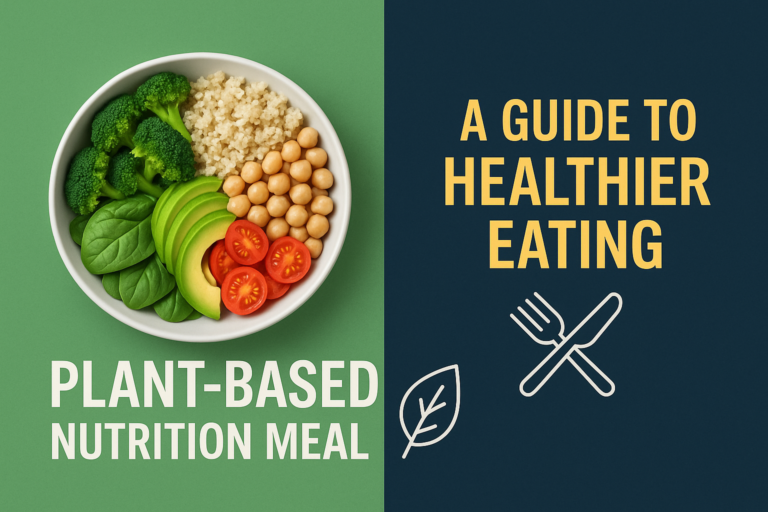
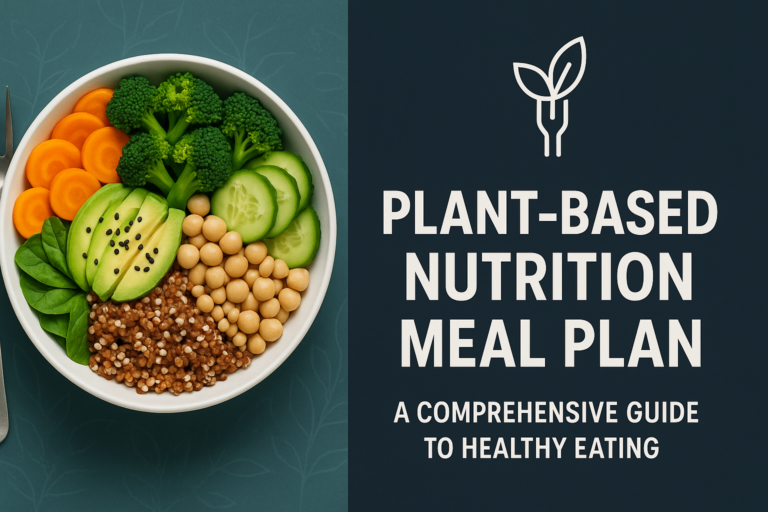
For lunch, focus on meals that travel well and keep you full throughout the day. Hearty salads made with mixed greens, beans, quinoa, and roasted vegetables offer a satisfying balance of fiber and protein. Grain bowls are endlessly customizable—layer brown rice or farro with roasted chickpeas, avocado, and a tangy dressing for a delicious midday boost. Wraps are another versatile option; fill whole grain tortillas with hummus, shredded veggies, and baked tofu for a portable, easy-to-eat lunch. When packing for work or school, use containers with dividers to keep components fresh and prevent sogginess.
Dinner is a great opportunity to enjoy balanced, comforting plates. Stir-fries loaded with colorful vegetables and a protein source like tempeh or lentils can be quickly cooked in a single pan. A hearty chili made with beans, tomatoes, and spices is perfect for batch-cooking—prepare a large pot and enjoy leftovers throughout the week. Pasta dishes featuring whole wheat noodles, sautéed greens, and a rich tomato sauce are always crowd-pleasers. Consider meal-prepping dinner components in advance, such as chopping vegetables or cooking grains, to save time on busy evenings.
Snacks and sweets round out your meal plan, offering nourishment between meals and satisfying your sweet tooth. Try making energy balls from oats, nut butter, and dates for a portable snack. Hummus paired with crisp veggies or roasted chickpeas seasoned with your favorite spices are both healthy, crave-worthy options. When you’re in the mood for dessert, experiment with plant-based treats like banana ice cream, chia pudding, or baked fruit crisps. With a little planning and creativity, your plant-based meals can be wholesome, delicious, and perfectly suited to your lifestyle.Transitioning to a plant-based diet can be an exciting journey, but it’s normal to feel a bit overwhelmed at the start. One important thing to remember is that making the shift doesn’t have to happen overnight. For many people, gradual swaps work best, allowing your taste buds and daily routines to adapt. You might start by choosing plant-based options for one meal a day, or substituting plant-based milk and yogurt for dairy products. As you become more comfortable, you can try replacing meat in your favorite dishes with beans, lentils, tofu, or tempeh. Taking it step by step can make the change feel more manageable and sustainable in the long run.
Stocking your pantry with essentials is another key to success. Having a good variety of plant-based staples on hand makes meal planning and preparation much easier. Whole grains like brown rice, quinoa, and oats provide a hearty base for many dishes. Canned or dried beans, lentils, and chickpeas are excellent sources of protein and fiber, while nuts and seeds add crunch and healthy fats. Don’t forget to keep a range of herbs, spices, and condiments to bring flavor and excitement to your meals. Frozen fruits and vegetables are also convenient and help ensure you always have nutritious options available.
Navigating eating out and social situations may seem tricky at first, but a little preparation goes a long way. Many restaurants now offer plant-based or vegetarian options, and don’t hesitate to ask if a dish can be modified to meet your needs. When attending gatherings, consider bringing a plant-based dish to share so you know there will be something you can enjoy. Communicate openly with friends and family about your dietary choices—most people are supportive once they understand your reasons. Remember, transitioning to a plant-based diet is a personal choice, and it’s okay to move at your own pace. With time, you’ll find that making plant-based choices becomes second nature, both at home and when dining out.Embarking on a plant-based journey can be both exciting and manageable with a well-structured meal plan. Here’s a sample 7-day menu to help you get started, featuring a variety of delicious and nourishing options. Each day includes three main meals and a snack, ensuring you stay satisfied and energized throughout the week.
On Day 1, begin your morning with overnight oats topped with berries and chia seeds, followed by a lunch of quinoa and black bean salad with avocado, and a hearty vegetable stir-fry with tofu for dinner. Snack on a handful of almonds or carrot sticks with hummus. Day 2 might include a smoothie bowl with banana, spinach, and almond butter for breakfast, a whole grain wrap with roasted vegetables and hummus for lunch, and lentil soup paired with whole grain bread for dinner, with apple slices and peanut butter as a snack. Day 3 features whole grain toast with smashed avocado and tomato, a chickpea salad sandwich, and a sweet potato and black bean chili, with trail mix or fresh fruit for snacking.
For Day 4, try a breakfast of chia pudding with mango, a Mediterranean quinoa bowl with cucumber, olives, and cherry tomatoes for lunch, and a vegetable curry with brown rice for dinner. Snack on edamame or air-popped popcorn. Day 5 starts with oatmeal topped with nuts and dried fruit, a Buddha bowl with roasted chickpeas, greens, and tahini dressing for lunch, and baked falafel with tabbouleh and pita for dinner, plus cucumber slices with guacamole as a snack. On Day 6, enjoy pancakes made from whole grain flour and served with fresh fruit, a soba noodle salad with edamame and broccoli, and stuffed bell peppers with brown rice and black beans, with roasted pumpkin seeds for snacking. Finally, Day 7 offers a tofu scramble with spinach and mushrooms, a lentil and vegetable soup for lunch, and a vegetable pizza on cauliflower crust for dinner, complemented by a handful of grapes or an energy ball as a snack.
To prepare for the week, create a grocery list that includes essentials such as a variety of fresh or frozen fruits and vegetables, plant-based proteins like tofu, tempeh, lentils, and beans, whole grains (quinoa, brown rice, oats), nuts and seeds, plant-based milk, and healthy condiments like tahini and hummus. Batch-cook staples like grains and beans, pre-chop vegetables, and prepare dressings or dips in advance to save time and make meal assembly quick and easy. With a little planning and prep, sticking to a plant-based diet becomes both simple and enjoyable.Transitioning to a plant-based diet brings a host of health benefits, but there are also some common challenges that individuals may encounter on their journey. One of the primary concerns is ensuring adequate protein and nutrient intake. Many worry that removing animal products will lead to deficiencies, especially in protein, iron, vitamin B12, and omega-3 fatty acids. However, with thoughtful planning, it’s entirely possible to meet your nutritional needs. Incorporating a variety of protein-rich plant foods such as lentils, chickpeas, beans, tofu, tempeh, quinoa, and edamame can help you easily reach your protein goals. For iron, include leafy greens, legumes, and fortified cereals, and pair them with vitamin C-rich foods like citrus fruits to enhance absorption. Since vitamin B12 is not naturally found in plant foods, it’s important to consider fortified foods or a reliable supplement. Omega-3s can be sourced from flaxseeds, chia seeds, walnuts, and algae-based supplements.
Another common hurdle is dealing with cravings, particularly if you’re accustomed to the flavors and textures of animal-based foods. The good news is that the growing popularity of plant-based diets has led to a surge in delicious alternatives. Experimenting with herbs, spices, and umami-rich ingredients like mushrooms, tamari, smoked paprika, and nutritional yeast can help create satisfying, flavorful meals. Cravings for familiar comfort foods can often be curbed with plant-based versions—think lentil or black bean burgers, creamy cashew-based sauces, and dairy-free cheeses. Over time, your palate will adjust, and cravings for animal products often diminish as you discover new favorite dishes.
Budget considerations are also a concern for many people, but eating plant-based can be surprisingly affordable with a few smart strategies. Staples like beans, lentils, rice, oats, and seasonal vegetables are typically much less expensive than meat and dairy products. Buying in bulk, planning meals ahead, and cooking at home can significantly cut costs. Farmers’ markets and discount produce sections are excellent places to find deals on fresh ingredients. Additionally, relying on whole foods rather than pre-packaged vegan products will not only save money but also support better overall health. With a little creativity and planning, it’s possible to maintain a nutritious, satisfying, and budget-friendly plant-based diet.As you reach the end of this guide, remember that choosing a plant-based lifestyle is not about achieving perfection overnight but making positive, sustainable changes to your health and the world around you. By embracing more plant-forward meals, you’re opening the door to a variety of incredible benefits—from supporting heart health and lowering chronic disease risk to enhancing digestion, boosting energy, and even contributing to a healthier planet. Every step you take, no matter how small, adds up to a meaningful impact, both for your personal well-being and for the environment.
It’s important to acknowledge that everyone’s journey looks different. Some days you might try new recipes and feel inspired; other days, you may reach for familiar favorites. Progress is measured by your willingness to explore, learn, and keep moving forward, not by achieving flawless adherence. Celebrate every plant-based swap you make, and give yourself grace as you adjust. The key is to keep your goals rooted in progress, not perfection.
If you’re feeling ready to take the next step, start by trying out the sample meal plan included here. Experiment with the recipes, tailor them to your tastes, and observe how your body responds. Share your experiences and results with friends or on social media—you might just inspire someone else to begin their own plant-based journey. For those seeking support and inspiration, consider joining a plant-based community online or in your local area. These groups can offer encouragement, recipe ideas, and accountability, making the transition easier and more enjoyable.
For continued learning and exploration, there are countless resources available. Look for reputable websites, plant-based cookbooks, and nutrition guides to expand your recipe repertoire and deepen your understanding of plant-based nutrition. Many apps provide meal planning and grocery lists tailored to plant-based eating, helping you stay organized and motivated. Remember, your journey is uniquely yours—embrace it with curiosity, kindness, and a sense of adventure. By making mindful, plant-powered choices, you are investing in your health and the health of the planet—one delicious meal at a time.