PlantBased Nutrition Meal Plan: Your Guide to Healthy and Delicious Eating
Just a decade ago, ordering a plant-based meal at a restaurant might have meant settling for a bland salad. Today, vibrant plant-based options fill menus from fast food chains to fine dining establishments. According to a recent report by The Good Food Institute, U.S. plant-based food sales grew by 54% between 2018 and 2022, outpacing total food sales and signaling a significant shift in our collective eating habits. This isn’t just a fleeting trend—more people are choosing to fill their plates with plants for reasons that go far beyond animal welfare or environmental concerns.
Take the story of David, a 45-year-old father of two, who struggled with high cholesterol for years. After switching to a predominantly plant-based diet, not only did his cholesterol levels drop, but he also reported increased energy, better sleep, and improved athletic performance. Stories like David’s are becoming more common, backed by emerging research linking plant-based nutrition to lower risks of heart disease, diabetes, and even certain cancers. But perhaps most surprising is the psychological benefit that many report: a greater sense of wellbeing and connection to the food they eat.
With such compelling evidence and personal transformations, it’s no wonder plant-based eating is gaining traction among people of all ages and backgrounds. But beyond the numbers and success stories lies a deeper question: what could happen if more of us embraced the power of plants on our plates? Could shifting our diets truly transform our health, our communities, and even our planet? As plant-based nutrition continues to move from the fringes to the mainstream, it invites us all to reconsider not just what we eat, but why we eat it—and what we stand to gain by making a change.Plant-based nutrition is a style of eating that emphasizes foods derived primarily from plants, including vegetables, fruits, whole grains, legumes, nuts, and seeds. While it may seem straightforward, the term is often misunderstood. Some people believe that a plant-based diet requires complete avoidance of all animal products, but this isn’t always the case. In fact, “plant-based” simply prioritizes plant foods, although some individuals may still include moderate amounts of animal-derived items like dairy, eggs, or even fish and poultry, depending on their personal preferences.
It’s important to distinguish between plant-based, vegetarian, and vegan diets. Vegetarians typically avoid meat, poultry, and fish but may consume dairy products and eggs. Vegans, on the other hand, exclude all animal products, including dairy, eggs, and even honey. Plant-based eaters fall somewhere along this spectrum, with the focus on maximizing plant foods and minimizing animal products, but not necessarily eliminating them altogether. This flexibility makes plant-based eating accessible and adaptable to various lifestyles and nutritional needs, which is one reason why it continues to gain popularity.
People choose plant-based nutrition for a variety of reasons. Health is a leading motivator, as research consistently shows that diets rich in plant foods are associated with lower risks of chronic illnesses such as heart disease, diabetes, obesity, and certain cancers. Plant-based diets are often high in fiber, antioxidants, and essential nutrients while being lower in saturated fat and cholesterol. Beyond personal health, many individuals are drawn to plant-based eating for environmental reasons. Producing plant foods generally uses fewer natural resources, emits less greenhouse gases, and causes less harm to ecosystems compared to animal agriculture. Lastly, ethical concerns play a significant role for some people, who opt for plant-based diets to avoid contributing to animal suffering or to support more humane and sustainable food systems. Whatever the motivation, understanding the basics of plant-based nutrition can help individuals make informed, conscious choices that align with their values and goals.Transitioning to a plant-based diet is an exciting journey toward better health and sustainability, but it’s important to ensure your meals are nutritionally balanced. The foundation of a successful plant-based meal plan lies in understanding and incorporating the key nutrients your body needs to thrive. While plant-based diets are rich in fiber, vitamins, and minerals, special attention should be paid to certain essential nutrients that may require more mindful planning.
Protein is one of the first concerns people have when adopting a plant-based lifestyle, but it is readily available in a variety of plant foods. Legumes such as lentils, chickpeas, and black beans are excellent sources, as are soy products like tofu and tempeh. Quinoa, amaranth, nuts, seeds, and whole grains also contribute valuable protein, making it easy to meet daily requirements through diverse combinations. Iron is another vital nutrient, crucial for oxygen transport in the body. While plant-based iron (non-heme iron) isn’t absorbed as efficiently as animal-based iron, you can boost absorption by pairing iron-rich foods—like spinach, lentils, and pumpkin seeds—with vitamin C-rich fruits and vegetables such as bell peppers, oranges, or strawberries.
Calcium, essential for bone health, is abundant in fortified plant milks, tofu set with calcium sulfate, leafy greens such as bok choy and kale, almonds, and figs. It’s wise to include a variety of these foods regularly to maintain strong bones. Vitamin B12, however, is primarily found in animal products, making it a critical nutrient for plant-based eaters to consider. Fortified foods like plant milks, breakfast cereals, and nutritional yeast can help, but many people opt for a reliable B12 supplement to ensure consistent intake. Omega-3 fatty acids, important for heart and brain health, are best sourced from flaxseeds, chia seeds, hemp seeds, walnuts, and algae-based supplements, as these provide the plant-based form (ALA) of omega-3s.
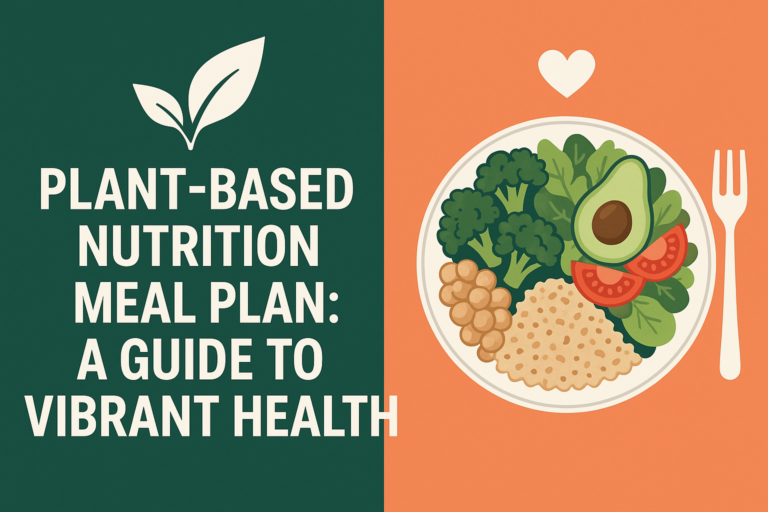
To round out your meal plan, keep a pantry stocked with staple foods: whole grains (brown rice, oats, barley), a variety of legumes (beans, lentils, peas), colorful vegetables, a rainbow of fruits, an assortment of nuts and seeds, and healthy plant oils. By mixing and matching these core ingredients, you can create satisfying, nutrient-dense meals that support your health and keep your taste buds happy. With mindful planning, a plant-based diet can provide all the essential nutrients your body needs.A well-balanced plant-based meal plan offers a variety of delicious and nutrient-rich options to keep meals satisfying and interesting throughout the day. For breakfast, there are countless ways to start the morning with energy and flavor. Smoothie bowls blend fruits like bananas and berries with leafy greens and plant-based milk, then are topped with nuts, seeds, and granola for added texture and nutrition. Overnight oats are another convenient choice—simply mix rolled oats with plant-based milk, chia seeds, and your favorite fruits, and let the mixture sit in the fridge overnight for a creamy, ready-to-eat meal in the morning. Those seeking a savory start might enjoy tofu scrambles, which mimic the texture of scrambled eggs by sautéing crumbled tofu with turmeric, spinach, tomatoes, and peppers.
Lunches on a plant-based diet can be both hearty and filling. Grain bowls provide a customizable base, often featuring quinoa or brown rice, paired with roasted or steamed vegetables, beans or chickpeas, and a flavorful dressing. Hearty salads are another go-to, made more substantial by adding lentils, avocado, nuts, and seeds. For a meal on the go, veggie wraps filled with hummus, shredded carrots, spinach, roasted peppers, and cucumbers offer a crunchy, satisfying bite.
Dinners can be comforting and packed with protein and fiber. Lentil stews make for a warming, protein-rich option, simmered with tomatoes, carrots, celery, and fragrant spices. Stir-fries deliver a quick and colorful way to enjoy a variety of vegetables, tofu, and tempeh, all tossed in a savory sauce and served over whole grains. Roasted vegetable pastas take advantage of seasonal produce—think zucchini, bell peppers, and eggplant—tossed with whole grain noodles and a light olive oil or tomato-based sauce.
To round out the day, plant-based snacks are simple to prepare and help maintain energy between meals. Classic options like hummus paired with sliced vegetables offer fiber and protein, while fresh fruit provides a naturally sweet pick-me-up. Homemade energy balls, made from oats, nut butter, seeds, and dried fruit, are portable and perfect for a quick boost. With such a variety of meals and snacks, a plant-based meal plan can be both nutritious and enjoyable, making it easy to stick with healthy eating habits.Meal planning and prep can transform your week, making it easier to stick to healthy eating habits while saving both time and money. One of the most effective strategies is batch cooking—preparing larger quantities of meals or ingredients in advance. For example, cooking a big pot of soup, chili, or grains like rice and quinoa can provide the foundation for several meals throughout the week. Roasting a tray of assorted vegetables or baking several chicken breasts at once means you’ll have building blocks for salads, wraps, or stir-fries ready to go. Chopping vegetables, washing greens, or portioning snacks into containers ahead of time will streamline your daily routine and help you make nutritious choices, even on your busiest days.
Stocking your pantry with essential staples is another key to successful meal prep. Keep items like canned beans, whole grains, pasta, oats, nut butters, spices, and healthy oils on hand. These versatile ingredients serve as the base for countless meals and make it easy to whip up something nutritious even when your fridge is running low. Don’t forget to add fresh produce, lean proteins, and dairy or plant-based alternatives to your weekly shopping list, focusing on items that can be used in multiple recipes. Creating a detailed shopping list based on your meal plan will help you avoid impulse purchases, stick to your budget, and ensure you have everything you need for the week ahead.
Time-saving techniques are essential for busy schedules. Consider prepping ingredients right after you return from the grocery store: wash and chop vegetables, marinate proteins, and portion out snacks. Use kitchen gadgets like slow cookers, instant pots, or food processors to cut down on hands-on cooking time. To reduce food waste, plan meals that use up perishable items first and get creative with leftovers, turning roasted vegetables into frittatas or using cooked grains in salads. Store prepped foods in clear containers so you can easily see what’s available, and label leftovers with dates to keep track of freshness. With a bit of planning and preparation, you’ll not only save time and reduce food waste, but also enjoy a variety of healthy, home-cooked meals all week long.Adopting a vegetarian lifestyle can be highly rewarding, but it also comes with its own set of challenges, particularly when it comes to eating out, maintaining balanced nutrition, and addressing cravings during the transition phase. One of the most common hurdles new vegetarians face is navigating social situations and dining at restaurants. Many menus may feature limited vegetarian options, and well-meaning friends or family members might be unfamiliar with plant-based eating. To overcome this, it’s helpful to research restaurant menus ahead of time, suggest venues known for their vegetarian-friendly dishes, or offer to bring a dish to gatherings. Communicating your dietary preferences clearly and confidently can also help set expectations and prevent awkward moments.
Another significant challenge is ensuring adequate nutrition and variety in your meals. A well-planned vegetarian diet should include a diverse range of fruits, vegetables, whole grains, legumes, nuts, and seeds to meet your body’s needs. Pay attention to essential nutrients such as protein, iron, vitamin B12, calcium, and omega-3 fatty acids, which can sometimes be lacking in plant-based diets. Incorporating fortified foods, supplements if necessary, and experimenting with new recipes can keep your meals interesting and nutritionally balanced. Meal planning and prepping in advance further reduces the likelihood of making less healthy choices out of convenience.
Cravings for familiar non-vegetarian foods can also present a challenge, especially in the early stages of transitioning. It’s important to acknowledge these cravings without guilt and seek satisfying plant-based alternatives. Many vegetarian products now mimic the taste and texture of meat, making the shift smoother for those who miss certain flavors. Gradually introducing new ingredients and flavors can also help retrain your palate and make vegetarian meals more appealing. Remember that transitioning to a vegetarian lifestyle is a personal journey; be patient with yourself, and don’t be discouraged by occasional slip-ups. By approaching these challenges with flexibility, creativity, and a positive mindset, you can enjoy a fulfilling and sustainable vegetarian diet while navigating social settings, ensuring proper nutrition, and managing cravings effectively.One of the most persistent myths surrounding plant-based nutrition is the fear of protein deficiency. Many people worry that eliminating or reducing animal products will inevitably lead to inadequate protein intake. However, a well-planned plant-based diet can easily meet, and even exceed, daily protein requirements. Foods such as lentils, chickpeas, tofu, tempeh, quinoa, nuts, seeds, and whole grains are all excellent sources of protein. In fact, most people eating a variety of plant foods rarely struggle to get enough protein. The real key is to consume a diverse range of plant-based foods to ensure all essential amino acids are included in the diet.
Another common misconception is that plant-based meals are bland, boring, or unsatisfying. This couldn’t be further from the truth. In reality, plant-based cuisine encompasses a wide range of global flavors and culinary techniques that bring out vibrant tastes and textures. From hearty lentil stews and flavorful curries to spicy stir-fries and rich, creamy plant-based desserts, there is no shortage of satisfying options. Modern plant-based cooking takes advantage of herbs, spices, and creative ingredient combinations to deliver meals that are both nourishing and deeply enjoyable. Many people who transition to a plant-based diet discover a new appreciation for the variety and depth of flavors available in plant foods.
Affordability and accessibility are also often cited as barriers to adopting a plant-based diet. Some assume that eating plant-based means buying expensive specialty products or organic produce, but this is not necessarily the case. Staples like beans, rice, oats, potatoes, and frozen vegetables are typically very budget-friendly and widely available. Many traditional diets around the world are predominantly plant-based largely because these foods are affordable and accessible. While specialty vegan products can be pricier, they aren’t essential for a healthy plant-based diet. With a little planning and creativity, plant-based eating can be both economical and convenient, fitting into almost any lifestyle or budget. By dispelling these myths, it becomes clear that plant-based nutrition is not only possible but can also be delicious, satisfying, and accessible for everyone.Embarking on a plant-based journey is easier and more enjoyable when you have access to the right resources and tools. A wealth of books, apps, and websites are available to guide you, whether you’re looking for nutritional advice, meal plans, or creative recipes. Highly regarded books such as “How Not to Die” by Dr. Michael Greger, “The Plant-Based Diet for Beginners” by Gabriel Miller, and “Forks Over Knives: The Cookbook” by Del Sroufe provide evidence-based information, practical tips, and a variety of satisfying recipes. These resources offer insights into the health benefits of plant-based eating and help dispel common myths, making the transition smoother and more informed.
Technology also plays a crucial role in supporting a plant-based lifestyle. Several user-friendly apps can simplify your daily routine, from meal planning to grocery shopping. Apps like “HappyCow” help you locate plant-based restaurants and stores in your area or while traveling. “Yummly” and “Forks Over Knives” apps offer personalized recipe recommendations and handy shopping lists, while “Cronometer” helps you track your nutrition and ensure you’re meeting your dietary needs. Many plant-based recipe websites such as Minimalist Baker, Oh She Glows, and The Simple Veganista provide thousands of inspiring, easy-to-follow recipes suitable for all skill levels, dietary preferences, and busy schedules. Social media platforms like Instagram and Pinterest are also fantastic sources for visually engaging meal inspiration, new cooking techniques, and seasonal recipes.
Beyond recipes and tools, community support can make a significant difference in maintaining motivation and overcoming challenges. Online forums and social media groups allow you to connect with others who share your interests and goals. Platforms like Reddit’s r/plantbased, Facebook groups dedicated to plant-based living, and the Forks Over Knives online community foster a sense of belonging, offer encouragement, and provide a space to exchange experiences, tips, and troubleshooting advice. Engaging with these communities can lead to valuable friendships, accountability, and a deeper appreciation for the diverse and dynamic world of plant-based living. With the right resources and supportive networks, your plant-based journey can be both nourishing and rewarding.Choosing to embrace a plant-based lifestyle is more than just a dietary decision; it’s a meaningful step towards improved health, environmental sustainability, and enhanced well-being. As we’ve explored, a plant-based way of eating offers numerous benefits—from reducing the risk of chronic diseases and boosting energy levels to supporting a healthier planet by lowering your carbon footprint. The beauty of this lifestyle lies in its simplicity: focusing on whole, minimally processed foods such as fruits, vegetables, grains, legumes, nuts, and seeds can transform your meals into vibrant, nourishing experiences. You don’t need exotic ingredients or complicated recipes to get started; just a willingness to explore new flavors and make small, manageable changes to your daily routine.
If you’re considering making the shift, remember that you don’t have to overhaul your entire diet overnight. Start by incorporating just one plant-based meal into your day or dedicate a single day each week to eating plant-based. This gentle approach allows your palate and habits to adjust gradually, making the transition both enjoyable and sustainable. Experiment with colorful salads, hearty grain bowls, or comforting vegetable soups to discover which dishes resonate with you. Over time, you’ll likely notice positive changes in your energy, digestion, and overall outlook on food.
Your journey is uniquely yours, and sharing your experiences can inspire others while helping you stay motivated. We encourage you to try a plant-based meal plan for a week or even a single day, and see how it feels. Document your favorite recipes, note any benefits you observe, and don’t hesitate to reach out for support or guidance. The plant-based community is welcoming and filled with resources to help you succeed.
We’d love to hear about your experiences, challenges, and successes. Please share your thoughts in the comments below, and consider subscribing for more plant-based tips, recipes, and inspiration. Taking the first step is often the hardest, but with each plant-powered meal, you’re making a positive impact on your health—and the world around you.